
Trezor has confirmed CryptoBilis implants in three Trezor Safe 5 wallets sold by the Southeast Asian reseller CryptoBilis, and says it has cut its reseller network by about 80% in response. The Czech hardware wallet maker, which had warned customers about a single suspected device on Oct. 30, published the findings on Thursday and said a firmware update released a day earlier stops the implants it has found from capturing anything.
No customer has reported losing funds, according to Trezor. But the company is still telling every CryptoBilis buyer to move to a new wallet with a new recovery phrase, because the update cannot help a backup that was copied before it was installed.

What Trezor found
According to Trezor’s investigation update, 48 customers who bought from CryptoBilis have come forward since October, and the company is checking their devices in its lab or from photos of the internals. Three Safe 5s contain the implant, including the device first reported in October. Trezor’s lab examined that unit, and the other two were identified from photos sent by their owners.
All three were bought between Aug. 20 and Sept. 23, 2026, through CryptoBilis’s stores on the Tokopedia and Shopee marketplaces and directly from the reseller. Trezor said it has found no implants in devices from any other reseller, or in any Trezor model other than the Safe 5. In replies to customers, Trezor said the Safe 7 was not affected and that it had no reports of the Safe 3 being affected.
How the implant works
Trezor’s embedded team extracted and analyzed the firmware from the implant in the reported device. The company describes it as an extra circuit board fitted between the Safe 5’s main board and its screen. It only listens. It copies whatever appears on the display, including what the owner types on the device, and does not touch the device firmware or the Secure Element.
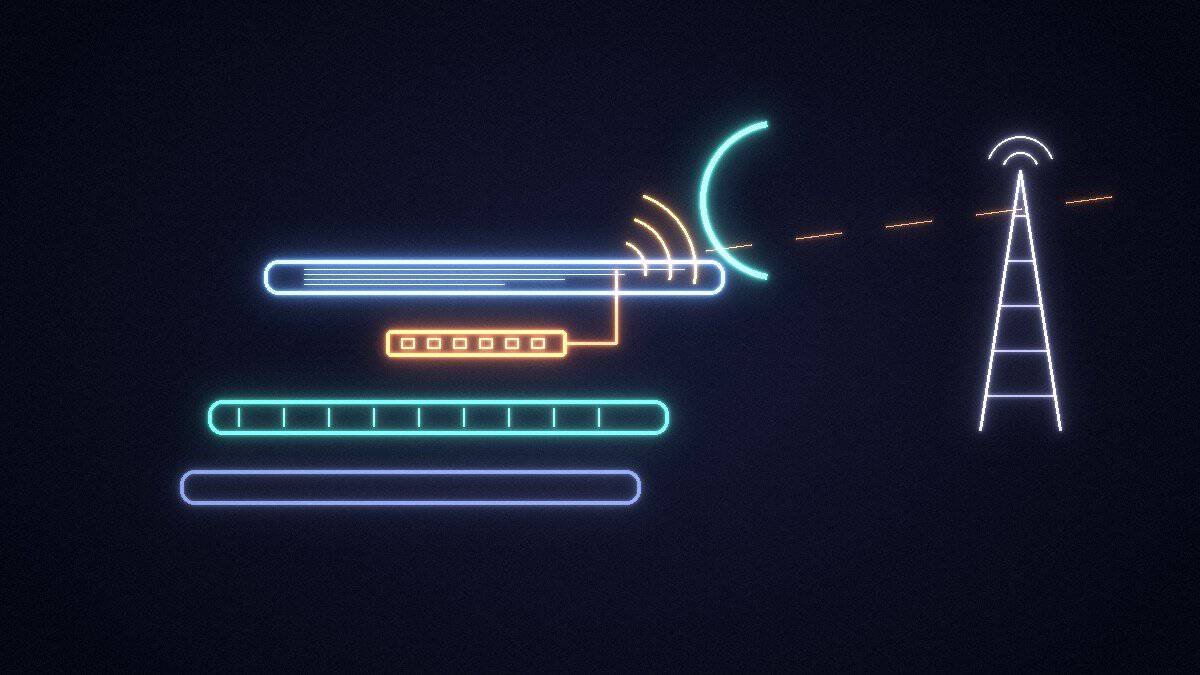
When recovery words appear on screen, the implant recognizes and stores them. That covers the words shown when a new wallet backup is created and the words typed in when an existing wallet is recovered onto the device, plus a passphrase if one is shown. The captured data is encrypted and sent over the mobile network to a server run by the attackers. If the board cannot connect, it keeps the data and retries until it can.
Trezor said the design “works the same way as the implants found in Ledger devices, adapted to the Trezor Safe 5’s display.” That is a step further than its first notice on Oct. 30, when it declined to compare the two while investigations were ongoing.
The fix, and why it is not enough on its own
The countermeasure is firmware 2.13.1, which Trezor’s firmware release log dates to Nov. 11. Trezor said the update stops the implants it has found from capturing anything on devices that run it, “making the current batch of implants useless.” In a reply to a user, the company explained that the implant watches the traffic between the device’s processor and its display and triggers on a specific sequence of commands. Trezor changed the order of those commands so the trigger no longer fires.
That protects backups created after the update. It does nothing for one that was already captured. Trezor said buyers should still move their funds to a new wallet with a new seed. Customers who bought a Trezor from CryptoBilis from March 2026 onward are eligible for a replacement device, and Trezor asks them to keep the original and contact support.
A smaller reseller network
The structural change is on the sales side. Trezor said it has cut its reseller network by about 80%, and that every remaining partner will have to follow much stricter rules on how devices are sourced, stored and who can access them. The company said the resellers it removed were trustworthy and posed no immediate threat, but did not fit the new process. Trezor stopped working with CryptoBilis in October and now recommends buying directly from trezor.io.
It is also working with SEAL 911, the Security Alliance’s emergency response service, and said it will not publish technical details that could help attackers.
The Ledger side of the same campaign
CryptoBilis first drew attention in early October through Ledger. The French wallet maker confirmed an implant in devices sold by the reseller that captured the 24-word recovery phrase during setup and sent it out over LTE using an eSIM. Onchain researchers estimated losses among those buyers at more than $86 million, a figure Ledger said it had not verified. Security firm CertiK later put the Ledger drainer campaign at $99 million, the largest October incident after the Binance hack, as we reported in our October losses story.
The Trezor side looks different so far: three confirmed devices and no reported theft. What to watch next is whether any implant turns up outside CryptoBilis or in another model, and whether any losses get tied to the Trezor units. Trezor said it will add dated updates to the top of its post if either happens.
FAQ
Which Trezor devices are affected by the CryptoBilis implants?
Trezor has confirmed implants in three Trezor Safe 5 wallets bought from CryptoBilis between Aug. 20 and Sept. 23, 2026. It says it has found none in other models or in devices from other resellers.
Does firmware 2.13.1 make an affected Trezor safe to keep using?
Only partly. Trezor says the update stops the known implants from capturing data, but a recovery phrase captured before the update is still exposed, so CryptoBilis buyers should move funds to a new wallet with a new seed.
Have any Trezor users lost funds?
Trezor says no customer has reported losing funds. CryptoBilis buyers from March 2026 onward can claim a replacement device through Trezor Support.
Disclaimer: This article is for informational purposes only and does not constitute financial advice.