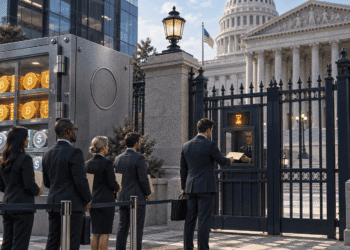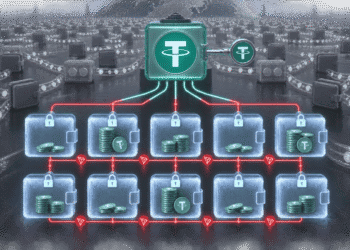

France is facing a sharp rise in crypto-linked kidnappings and physical extortion attempts, forcing officials to treat digital asset security as a public safety issue rather than only a cybersecurity problem.
Reports citing French officials say the country has recorded 41 crypto-related kidnappings, home invasions or attempted abductions since the start of 2026, equal to roughly one incident every two and a half days. Jean-Didier Berger, a minister delegate to France’s Interior Ministry, said at Paris Blockchain Week that authorities had already launched preventive measures, including a dedicated security platform, and were preparing a broader plan with Interior Minister Laurent Nuñez.


The warning is clear. Criminal groups are increasingly targeting people who appear to hold crypto wealth, then using violence or threats to force wallet access, ransom payments or private key transfers.
What Is a Wrench Attack?
Criminals Are Targeting the Person, Not the Wallet
A “wrench attack” is a physical attack designed to bypass digital security. Instead of hacking a wallet, criminals threaten, assault or kidnap the person who controls it.
That makes the threat especially difficult to manage. Hardware wallets, seed phrases and multisignature setups can protect against online theft, but they do not automatically protect someone whose home address, family details or financial profile has been exposed.
France has become one of the most visible hotspots for this kind of crime. CertiK data cited in recent coverage showed 72 confirmed wrench attacks worldwide in 2025, up 75% from the previous year, with France accounting for 19 cases and Europe representing about 40% of the global total.
Recent Cases Show How Violent the Trend Has Become
The latest reports are not abstract. In Burgundy, a mother and her 11-year-old child were kidnapped by suspects who demanded a €400,000 ransom from the father, described as a crypto entrepreneur. Police freed the victims and arrested the suspects the next morning, according to reports citing French media and prosecutors.
Le Monde also reported on a February case in which a French magistrate and her elderly mother were kidnapped near Grenoble in a crypto-ransom operation targeting the magistrate’s partner. The report said suspects were recruited through Telegram, while investigators believe a digital organizer may be linked to several similar cases in southeastern France.
Data Leaks Are Now Part of the Security Debate
Durov Warns That “More Data” Can Mean More Victims
Telegram founder Pavel Durov has linked France’s kidnapping surge to leaked financial and identity data, warning that greater state collection of personal information can create more danger if that data is exposed or abused. In an X post, he claimed France had seen 41 kidnappings of crypto holders in the first three and a half months of 2026 and argued that “more data” leads to more victims.
AMBCrypto reported that Durov referenced Ghalia C., a former French tax official accused of selling confidential financial data to criminal networks. Those claims remain highly sensitive, and the full legal record will matter. Still, the broader concern is realistic: if criminals can buy addresses, identity records or wealth indicators, crypto holders become easier to profile.
A Wider French Data Breach Adds to the Anxiety
The timing is uncomfortable for French authorities. France Titres, the government agency responsible for official identity and registration documents, recently confirmed a data breach after a hacker claimed to have stolen up to 19 million sensitive records. The agency said data was accessed but that hackers did not take control of the portal or user accounts.
That breach is not proof that crypto kidnappings are directly tied to this specific incident. But it does reinforce the larger risk. Names, addresses, dates of birth and contact details can become dangerous when combined with public crypto activity, social media posts or business records.
France’s Response Is Starting to Take Shape
A Prevention Platform Is Already Live
French officials say the first response is prevention. Berger said a dedicated platform has already attracted thousands of registrations from the crypto community, while a broader protection plan is expected in the coming weeks.
The likely goal is faster communication between police, crypto entrepreneurs, investors and security teams. That matters because early warning signs can be easy to miss: suspicious surveillance, fake delivery attempts, impersonation scams, leaked personal details or unusual approaches through messaging apps.
Police Are Treating the Networks as Organized Crime
The Le Monde report on the Grenoble kidnapping shows how these cases can involve both low-level recruits and remote organizers. Young suspects may carry out the physical crime, while a hidden coordinator chooses targets, manages communications and demands crypto ransom.
That structure makes enforcement harder. Arresting the attackers may solve one case, but dismantling the network requires tracing recruiters, Telegram channels, wallet flows, data brokers and the people selecting victims.
What Crypto Holders Should Learn From France
The French surge is a warning for the global crypto industry. Security can no longer stop at seed phrases and cold storage.
Visible investors, founders and influencers should limit public displays of wealth, avoid posting real-time locations and separate personal identity from wallet activity wherever possible. Families and employees may also need basic security planning, because attackers often target relatives instead of the asset holder directly.
For institutions, the lesson is different. Exchanges, tax agencies, analytics firms and fintech platforms need to treat customer data as a physical safety asset. A leak is not only a phishing risk. In the crypto world, it can become a targeting list.
What Comes Next
The next key signal is how quickly France rolls out its broader protection plan and whether the new platform leads to faster reporting, more arrests and better support for high-risk crypto holders.
Investigators will also be watching whether additional data-leak cases connect to kidnapping networks. If leaked state, tax or financial records are being used to choose targets, the policy debate will move beyond policing and into data collection, retention and access controls.
France wanted to become a leading European crypto hub. It can still do that, but only if entrepreneurs and investors believe they are physically safe as well as digitally secure.
Disclaimer: This article is for informational purposes only and does not constitute financial, investment, or legal advice. Always conduct your own research before making any investment decisions.