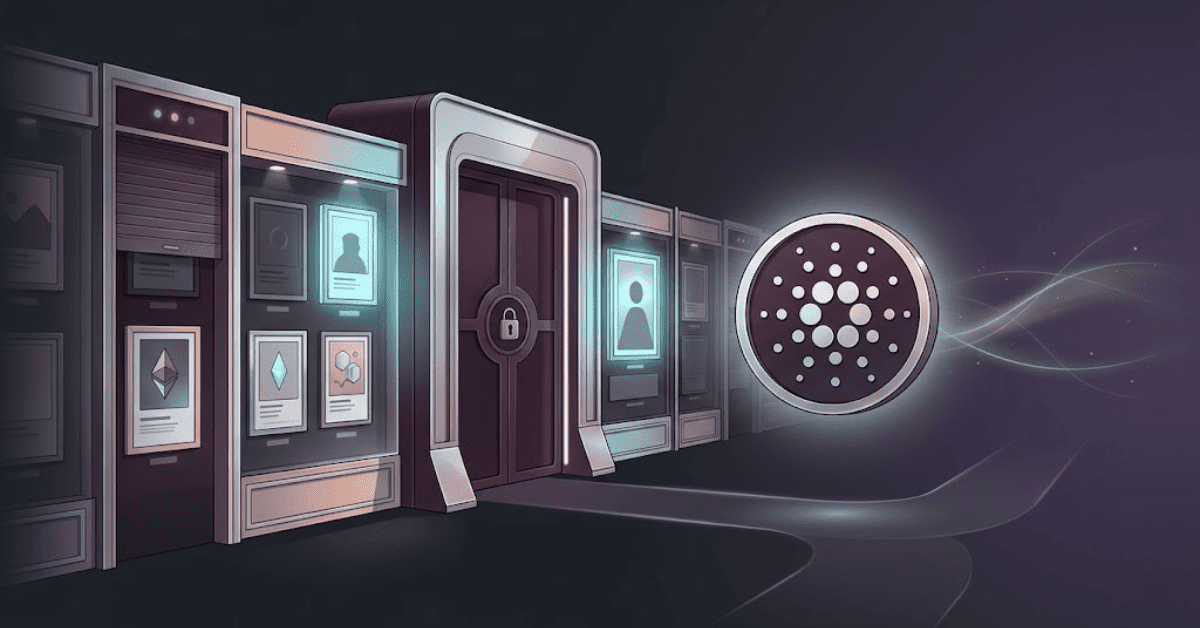
JPG Store, long regarded as Cardano’s leading NFT marketplace, will shut down on May 23, 2026, ending more than four years of service to the Cardano NFT ecosystem.
The closure was first flagged across crypto news aggregators, including WEEX’s report on JPG Store’s shutdown, which cited the platform’s official announcement. JPG Store’s own website now displays a notice saying the marketplace is shutting down on May 23 and tells users to remove their assets before that date.


The move affects both JPG Store and Comet, the related platform that served the Cardano ecosystem alongside it. For collectors and creators, the shutdown is more than a website going offline. It removes one of the main pieces of trading infrastructure that helped Cardano NFTs develop their own identity outside Ethereum and Solana.
What Users Need to Know Before May 23
The Shutdown Is Happening in Two Phases
JPG Store’s support page says the shutdown will happen in two structured phases. Restriction Mode began on April 23, 2026, and complete shutdown is scheduled for May 23, 2026. During Restriction Mode, users can still cancel listings, cancel offers, complete existing loans and remove NFTs from smart contracts. After the final shutdown date, JPG Store says it will no longer provide marketplace functionality.
That means users should not wait until the final day. Anyone with NFTs listed, offers open or assets sitting inside JPG Store-related smart contracts should review their position and remove assets while the interface remains available.
The platform says NFTs in self-custody wallets remain owned by users. Assets held through JPG Store smart contracts also remain on-chain, but accessing them after the shutdown may require alternative tools, aggregation platforms or the Cardano command line interface. That is an important distinction because on-chain ownership continues, but convenient access through JPG Store will not.
Non-Technical Users Face the Biggest Risk
For experienced Cardano users, interacting with smart contracts through other tools may be manageable. For casual collectors, it could be stressful.
NFT marketplaces often become the default interface for an ecosystem. Users may technically own their assets on-chain, but they still rely on marketplace front ends to list, delist, cancel offers, manage loans and verify collections. Once that front end disappears, less technical users can find themselves dependent on community tools or developer documentation.
That is why JPG Store’s 30-day exit window matters. It gives collectors time to act before the platform becomes harder to use.
Why JPG Store Is Shutting Down
The Team Cited Unsustainable Operations
WEEX reported that JPG Store and Comet are closing due to operational difficulties. Other coverage similarly described the business as no longer sustainable, although the team has not provided detailed financial figures.
The explanation fits the broader NFT market backdrop. Trading volumes across many NFT ecosystems remain far below the peaks of 2021 and 2022, when marketplaces could generate meaningful fee revenue from constant speculation. As volumes cooled, marketplaces had to support infrastructure, customer service, indexing, smart contract maintenance and creator tooling with less transaction activity.
That pressure can be especially intense for chain-specific marketplaces. A platform focused mainly on one ecosystem does not have the same flexibility as multi-chain competitors with access to Ethereum, Solana, Bitcoin Ordinals and newer NFT sectors.
Cardano NFTs Lose a Central Hub
JPG Store was not just another marketplace. It was one of the most recognizable entry points for Cardano NFTs, offering discovery, trading, minting support and collection verification.
Its closure may push more activity toward aggregators or alternative Cardano NFT platforms. It could also encourage developers to build new tools around JPG Store’s open-source contracts, especially if the platform follows through on making technical resources available for the community. WEEX reported that the smart contracts will remain open source and that JPG Store plans to provide GitHub resources for developers.
Still, replacing a marketplace is not simple. Liquidity, trust, user habits and collection data all take time to rebuild.
What This Means for the Cardano NFT Market
The shutdown does not mean Cardano NFTs are dead. The NFTs themselves remain on-chain, and collectors can continue to hold or transfer assets. But it does show how difficult NFT infrastructure has become as speculative volume fades.
For Cardano, the loss is both practical and symbolic. Practically, users need new venues for trading and asset management. Symbolically, the closure of a flagship marketplace raises questions about whether Cardano NFT demand is strong enough to support dedicated businesses at scale.
That does not have to be permanent. NFT markets often move in cycles, and weaker periods can force ecosystems to become leaner, more community-driven and more technically resilient. But for now, JPG Store’s shutdown is a clear warning that NFT marketplaces need durable revenue, not just cultural momentum.
What Comes Next
The most important date is May 23, 2026. Before then, users should cancel active listings, review offers, settle or close any loans and remove NFTs from JPG Store smart contracts where possible.
After the shutdown, attention will shift to alternative Cardano NFT marketplaces, aggregators and community-built tools that can help users access assets still connected to JPG Store contracts. Developers may also watch for the promised open-source resources and GitHub links.
For Cardano’s NFT community, this is a major reset. JPG Store helped define the ecosystem’s first era. What comes next will depend on whether new platforms can rebuild liquidity, improve user experience and prove that Cardano NFTs still have a sustainable market beyond one dominant marketplace.