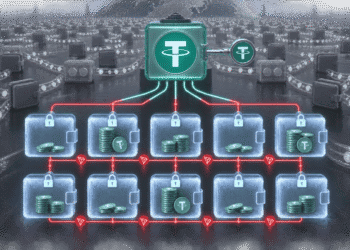

THORChain halted trading and signing activity after one of its Asgard vaults was compromised in a cross-chain exploit that drained about $10.7 million to $10.8 million from protocol reserves.
The incident affected one of THORChain’s six Asgard vaults and involved suspicious movements across several major networks, including Bitcoin, Ethereum, BNB Chain, and Base. The protocol paused trading as an emergency containment step after abnormal outbound transactions were detected.


The halt was not a normal maintenance pause. THORChain’s security design includes automatic protections that can stop trading when solvency checks or other safeguards detect a serious issue. In this case, the pause gave node operators and developers time to isolate the affected vault and reduce the risk of additional losses.
Important Announcement
Trading on THORChain is currently halted after a vault was compromised. Initial indications are user funds are safe and only protocol owned funds are affected.
The network automatically detected abnormal behavior and halted signing activity, which alerted…
— THORChain (@THORChain) May 15, 2026
How the THORChain Exploit Unfolded
The incident began when unusual cross-chain movements appeared from an Asgard vault, one of the reserve structures that helps THORChain move assets between blockchains.
Because THORChain supports native cross-chain swaps, its vaults are central to the network’s operation. They hold assets that make swaps possible between chains such as Bitcoin, Ethereum, BNB Chain, and Base. If a vault is compromised, the risk can spread quickly because the protocol touches more than one blockchain.
Once the suspicious activity was identified, THORChain halted trading and signing activity. That move stopped the network from continuing normal swap operations while the team investigated the weakness and prevented more unauthorized outbound transfers.
The estimated loss of roughly $10.8 million is serious, but the emergency halt likely reduced the chance of a larger drain. In cross-chain systems, quick containment can be just as important as the post-incident recovery plan.
Why the Asgard Vault Is So Important
The Asgard vault is not a normal user wallet.
It is part of THORChain’s infrastructure for holding and moving liquidity across different blockchains. When users make native swaps, the protocol relies on vaults and node operators to coordinate asset movement securely.
That gives THORChain its main strength. Users can swap between assets on different chains without depending on the same type of wrapped-token bridge used by many other protocols. But that design also creates a large security target.
If a vault is compromised, the attacker may not be limited to a single token or a single chain. That is why this exploit matters. It affected the kind of reserve system that supports THORChain’s cross-chain liquidity model.
The incident also shows why vault security is one of the hardest parts of DeFi infrastructure. A smart contract bug on one chain is dangerous, but a vault weakness inside a multi-chain system can create faster and wider damage.
Why THORChain Stopped Trading
THORChain halted trading because continued activity could have created more risk.
In a normal market, users expect swaps to work without interruption. During an active exploit, that expectation changes. If the protocol keeps signing and processing transactions while attackers are moving funds, more reserves can leave before the issue is contained.
The pause gave the network time to stop outgoing activity, check solvency, and identify what happened. It also protected the rest of the system from continuing to operate while one vault was already compromised.
A halt can damage confidence in the short term, but it can also protect users and liquidity providers from a worse outcome. In this case, stopping trading was the safer option because the exploit involved core reserve infrastructure, not a small isolated app.
Why RUNE Fell After the Exploit
RUNE fell sharply after the exploit because the token is tied closely to confidence in THORChain’s security and liquidity.
When a cross-chain protocol loses reserves, traders immediately worry about several things at once. They want to know whether the loss is contained, whether user funds are safe, whether trading can restart, and whether the protocol will need to use treasury resources or other reserves to cover the damage.
Those questions can create fast selling pressure. RUNE dropped by double digits after the halt, with market trackers showing a decline of roughly 15% to 19% during the incident window.
The token reaction does not mean the protocol is finished. It shows that traders priced in uncertainty quickly. If THORChain publishes a clear post-mortem, explains the weakness, and restarts safely, some confidence can return. If the details remain unclear, RUNE may continue trading under pressure.
What This Means for Cross-Chain DeFi
The THORChain exploit is another reminder that cross-chain DeFi is powerful but difficult to secure.
Single-chain apps already face smart contract risk, oracle risk, governance risk, and liquidity risk. Cross-chain systems add even more complexity because they must coordinate assets, signatures, finality, and monitoring across several networks at the same time.
That extra complexity can improve the user experience, but it also increases the number of places where something can break. A protocol that moves value between Bitcoin, Ethereum, BNB Chain, Base, and other networks needs extremely strong controls because attackers only need one opening.
This is why cross-chain security remains one of the most important issues in DeFi. Users want smooth swaps and deep liquidity, but every layer of convenience needs matching safeguards behind it.
What Users Should Watch Next
Users should wait for a full THORChain post-mortem before assuming the incident is completely resolved.
The most important details are how the vault was compromised, whether the weakness was isolated, how the protocol stopped further outflows, and what changes are being made before normal activity resumes. The answer to those questions will shape how quickly trust returns.
Users should also watch for official updates about trading status, affected reserves, and any compensation or recovery plan. Hack events often attract fake support accounts and scam recovery links, so users should avoid unknown links and rely only on official THORChain channels.
The safest approach is to treat the situation as still developing until the protocol gives a clear technical explanation and confirms that trading has restarted safely.
What Happens Next?
THORChain now needs to restore confidence in three areas: security, liquidity, and communication.
Security comes first. The protocol must explain the exploit path and show that the weakness has been fixed. Liquidity comes next because users need to know whether reserves remain healthy enough to support normal swaps. Communication also matters because uncertainty can hurt trust even after the technical issue is contained.
If THORChain provides a clear post-mortem and a controlled restart, the market may treat the exploit as a serious but contained incident. If the explanation is delayed or incomplete, RUNE and the wider THORChain ecosystem may stay under pressure.
The quick halt likely prevented a worse outcome, but the Asgard vault exploit still raises hard questions about how cross-chain protocols protect reserves during live attacks.
Disclaimer: This article is for informational purposes only and does not constitute financial, investment, or legal advice. Always conduct your own research before making any investment decisions.