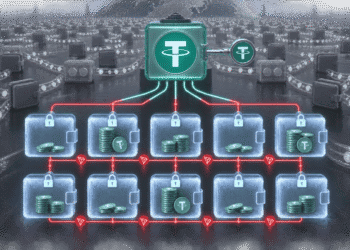

Brazilian authorities and Tether have frozen more than $213 million in USDT across 48 accounts linked to businessman Gurhan Kiziloz, as a gambling and tax dispute brings another major stablecoin enforcement case into focus.
The freeze followed a Brazilian court ruling tied to alleged gambling operations and crypto token sales between 2021 and 2024. The dispute is being handled through Brazil’s civil courts, and available reports say no criminal charges have been filed.


The case matters because USDT is not only a trading token. It is also a centralized stablecoin that can be frozen when issuers receive lawful orders from authorities. That feature has become more visible as governments use stablecoin freezes in tax, sanctions, gambling, fraud, and money-laundering investigations.
Why the Tether USDT Freeze Matters
Tether is the largest stablecoin issuer in crypto, and USDT is used across exchanges, wallets, DeFi apps, and payment networks around the world. Because USDT is designed to stay close to one U.S. dollar, it is often used by traders who want fast settlement without moving back into bank accounts.
That scale makes Tether important to law enforcement. If authorities believe USDT is tied to illegal activity or a court dispute, they may seek help from Tether to block the funds from moving. In this case, the freeze reportedly covered 48 USDT accounts linked to Kiziloz and his company after a Brazilian court order.
For crypto users, this is a reminder that stablecoins are not the same as fully decentralized assets. USDT can move quickly across blockchains, but the issuer still has control tools that can stop certain tokens from being transferred. That can help authorities in major investigations, but it also raises questions about centralization and due process.
What Brazil’s Case Is About
The Brazilian case centers on alleged gambling operations, crypto token sales, and tax claims connected to activity between 2021 and 2024.
Authorities reportedly alleged that gambling-related services targeted Brazilian users without a local license during that period. They also claimed that token sales linked to the business created taxable revenue inside Brazil before the country’s newer gambling and digital asset rules were fully settled.
That timing is important. Brazil has been changing how it regulates betting, digital assets, and payments, and older activity can become legally complicated when new rules arrive later. Some coverage of the case says legal teams may challenge how authorities apply newer rules to earlier business activity.
The safer way to frame the issue is that this is a civil tax and gambling dispute, not a proven criminal case. The freeze blocks the movement of funds while the legal process continues, but it does not by itself prove wrongdoing.
Why Stablecoin Freezes Are Becoming More Common
Stablecoin freezes are becoming a bigger part of crypto enforcement because they are fast, visible, and effective.
Unlike cash, stablecoins move on public blockchains. That means investigators can often trace wallet activity, map fund flows, and identify clusters of addresses. If a court or enforcement agency convinces an issuer that certain funds should be blocked, the issuer can freeze the tokens at the contract level.
Tether has taken similar actions in other cases. In April, the company said it helped freeze more than $344 million in USDT in coordination with U.S. authorities, showing how stablecoin issuers can become direct partners in enforcement actions.
That power cuts both ways. Supporters say freezes help stop fraud, sanctions evasion, terrorism financing, illegal gambling, and stolen-fund movement. Critics say centralized freeze controls make stablecoins less censorship-resistant than Bitcoin or other assets without issuer-controlled blocking tools.
Both points can be true. Stablecoins are useful because they connect crypto speed with dollar stability, but that same connection often brings them closer to traditional legal and regulatory systems.
What This Means for Crypto Users
Most everyday USDT users are not affected by this case, but the freeze is still worth understanding.
If a user holds USDT on an exchange, the exchange controls the account experience. If a user holds USDT in a personal wallet, they control the wallet keys, but Tether can still freeze specific USDT tokens if the wallet is blacklisted. That means self-custody protects access to the wallet, but it does not remove issuer-level stablecoin controls.
This is different from holding native BTC or ETH. Bitcoin cannot be frozen by a company in the same way because there is no issuer that can blacklist a wallet. Ethereum itself also does not have an issuer that can freeze ETH at the base asset level. Stablecoins work differently because they represent claims on dollar reserves managed by companies.
That does not mean users should avoid stablecoins. It means users should understand what they are using. Stablecoins are designed for dollar-like utility, not full decentralization.
Why the Gambling Angle Matters
The gambling angle makes the Brazil case more sensitive because betting platforms, payment processors, and crypto rails often overlap.
Online gambling businesses need fast deposits, withdrawals, and cross-border payment systems. Stablecoins can make those flows faster, especially in markets where banking access is limited or slow. Regulators worry that the same speed can make it harder to enforce licensing rules, tax obligations, and anti-money-laundering standards.
Brazil has been building a more formal betting market, and authorities have shown interest in tax collection and platform oversight. When a case involves alleged gambling operations, crypto token sales, and large stablecoin balances, it becomes a natural target for enforcement.
For the crypto industry, the warning is clear. Stablecoin payment flows tied to gambling, offshore platforms, or unlicensed financial activity are likely to face more scrutiny, especially when large dollar amounts are involved.
What Happens Next?
The next step is the legal process in Brazil.
The freeze keeps the USDT from moving while the dispute continues. Kiziloz or related parties may challenge the ruling, the tax claims, or the way the freeze was applied. Authorities will likely try to show why the funds should remain blocked while they pursue the civil case.
Tether’s role will also stay in focus. The company has become more active in working with law enforcement, and each large freeze adds to the debate over how stablecoin issuers should balance compliance, user rights, and crypto’s open financial design.
For now, the key fact is simple: a Brazilian court dispute has reached directly into on-chain dollar liquidity. That is becoming a more common pattern as governments learn how to use stablecoin controls in real-world enforcement.
Disclaimer: This article is for informational purposes only and does not constitute financial, investment, or legal advice. Always conduct your own research before making any investment decisions.