Tether is facing a new legal fight over more than $344 million in frozen USDT held on two Tron addresses tied to Iran-linked sanctions designations.
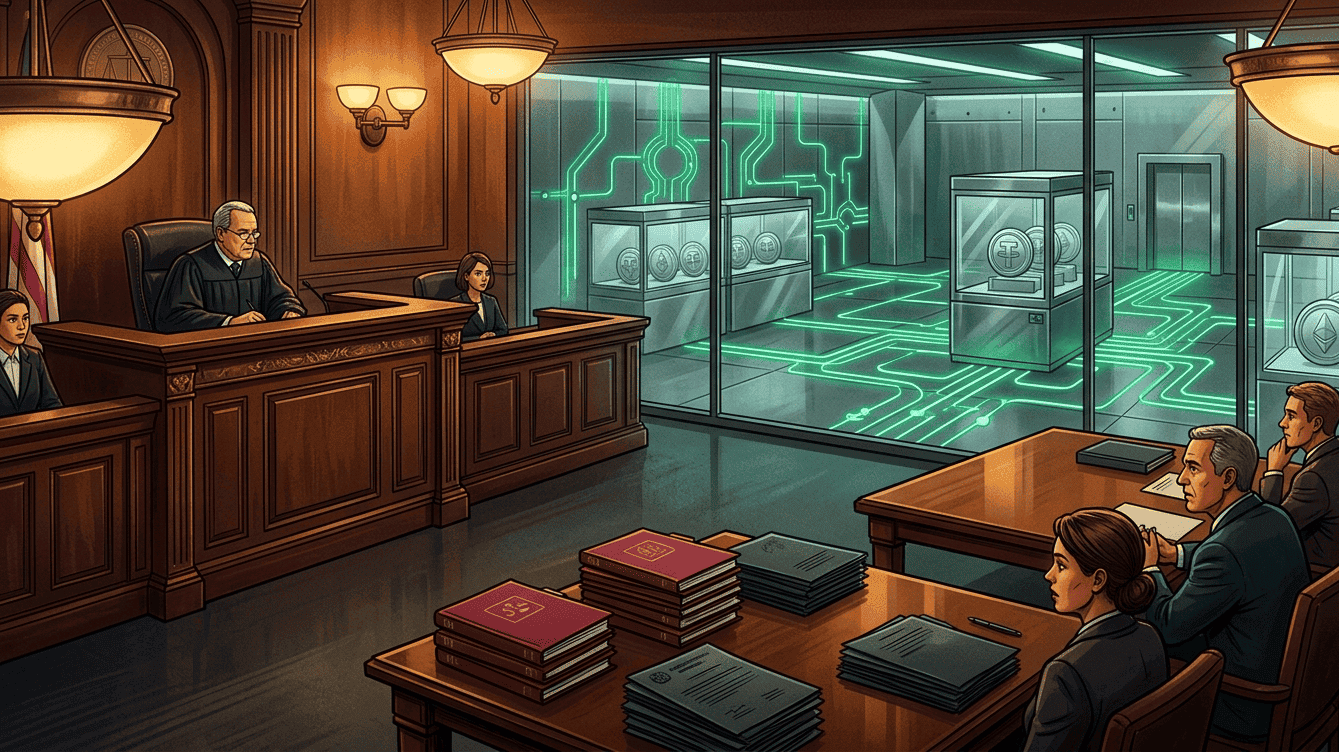
The case was filed in the U.S. District Court for the Southern District of New York by terrorism judgment creditors seeking to collect unpaid awards connected to Iran-linked attacks. The plaintiffs want a court order forcing Tether to zero out 344,149,759 USDT frozen in the blocked wallets and reissue the same amount to a wallet controlled by their legal team.


The dispute matters because it could test one of the biggest questions in stablecoins: if an issuer can freeze tokens, can a court also force that issuer to redirect them to satisfy legal judgments?
A Stablecoin Freeze Turns Into a Court Fight
The frozen USDT is already blocked, but the plaintiffs are asking for something more.
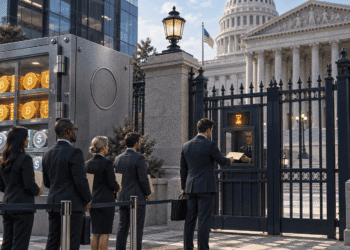
Tether announced on April 23 that it had supported the U.S. government in freezing more than $344 million in USDT across two addresses after those addresses were identified by U.S. authorities. The company said the freeze was coordinated with OFAC and U.S. law enforcement.
That first step stopped the tokens from moving. The new legal push asks the court to go further by ordering Tether to remove the balances from the blocked wallets and issue replacement USDT to the judgment creditors.
That is the key difference. Freezing tokens locks them in place. Reissuing them would move the economic value to another party. If the court allows that, stablecoin freezes could become more than compliance tools. They could become a way for judgment creditors to collect from sanctioned or blocked entities.
Why the Tron Wallets Matter
The USDT at the center of the case sits on Tron, one of the busiest networks for stablecoin transfers.
Tron has become a major venue for USDT because transfers are fast and relatively cheap. That also makes Tron important for compliance teams, investigators, and sanctions enforcement because large amounts of dollar-linked value move through the network every day.
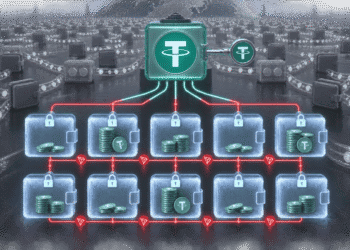
The two wallets in this case were blocked by OFAC and tied by the plaintiffs to Iran’s Islamic Revolutionary Guard Corps and related entities. The legal filings argue that the frozen tokens should be treated as property connected to Iran and used to satisfy unpaid court judgments.
For the stablecoin market, the chain matters less than the issuer control. The plaintiffs are not asking Tron validators to change the ledger. They are asking Tether, as the issuer of USDT, to use its control over the token contract to wipe and reissue balances.
That makes the lawsuit a direct challenge to how much power stablecoin issuers have, and how courts may use that power.
The Case Tests Tether’s Issuer Control
Tether can freeze certain USDT addresses, and that ability is central to the lawsuit.
Stablecoin issuers often include freeze functions to comply with law enforcement requests, sanctions rules, hacks, and other emergency situations. Supporters say those tools are necessary if stablecoins are going to operate inside the global financial system. Critics say they make stablecoins more centralized than many users realize.
This lawsuit turns that debate into a practical legal question. The plaintiffs argue that if Tether can stop tokens from moving, and if it has previously helped law enforcement in freeze and reissue situations, then it can be ordered to transfer value under court authority.
That does not mean the court will automatically agree. A judge still has to decide whether the frozen USDT can be turned over under the relevant enforcement rules, whether Tether has the legal duty to act, and whether the plaintiffs have met the requirements for collecting against those assets.
The result could shape how future courts handle frozen stablecoins linked to sanctions, hacks, fraud, or state-backed judgments.
Why This Matters for Stablecoin Users
The lawsuit is not about whether USDT is still worth $1. It is about control, enforcement, and legal risk.
Stablecoins work because users trust that each token can function like a digital dollar inside crypto markets. But issuer-controlled stablecoins also depend on legal and compliance systems. If an address is sanctioned, hacked, or linked to criminal activity, an issuer may freeze it.
That structure gives stablecoins a different risk profile from assets like Bitcoin. Bitcoin transactions cannot be reversed by a company. USDT and other centralized stablecoins can be frozen at the issuer level under certain conditions.
For normal users, this is not usually a day-to-day concern. But for exchanges, large traders, payment companies, and institutions, it is important. They need to understand that stablecoin balances can be affected by sanctions lists, court orders, law enforcement requests, and issuer policies.
A Bigger Test for Crypto Enforcement
The case also matters because crypto enforcement is moving beyond simple wallet blacklists.
In earlier years, authorities often focused on identifying wallets and warning exchanges not to process funds. Stablecoin issuers then began freezing wallets tied to hacks, sanctions, scams, or law enforcement requests. Now, plaintiffs are trying to turn frozen tokens into recoverable assets for unpaid judgments.
That is a major shift. It means frozen stablecoins may become legal targets for creditors, victims, and governments. If courts accept that approach, stablecoin issuers could face more demands to reissue tokens linked to blocked wallets.
There are still difficult questions. Who has the strongest claim to frozen funds? How should courts handle competing victims, sanctions rules, and government seizure interests? What happens if multiple parties claim the same blocked tokens?
Those questions are not fully settled, which is why this case is important beyond the dollar amount.
What Tether and the Court Need to Resolve
The next stage is not just about whether the plaintiffs deserve compensation. It is about whether this specific USDT can legally be redirected.
The court will have to look at Tether’s technical control, the legal status of the blocked wallets, the plaintiffs’ unpaid judgments, and the rules that govern turnover of assets linked to a judgment debtor. The plaintiffs say they hold large unpaid judgments connected to Iran, including hundreds of millions in compensatory damages and far larger punitive awards.
Tether may argue that freezing is different from transferring, or that other legal and sanctions processes must come first. The company may also face questions about whether reissuing USDT from blocked wallets creates new compliance obligations or conflicts with government action.
Until the court decides, the funds remain frozen. The lawsuit does not mean the plaintiffs have received the USDT. It means they are asking a judge to force the next step.
Key Takeaway
The Tether lawsuit could become an important test of how frozen stablecoins are treated in U.S. courts.
The case is not only about $344 million in Iran-linked Tron USDT. It is about whether a stablecoin issuer’s power to freeze tokens can also become a court-enforced duty to redirect them. If the plaintiffs succeed, future stablecoin freezes may carry much larger legal consequences for issuers, exchanges, institutions, and sanctioned wallet holders.
Disclaimer: This article is for informational purposes only and does not constitute financial, investment, or legal advice. Always conduct your own research before making any investment decisions.