This might be the strangest use of cryptocurrency by a nation-state in history.
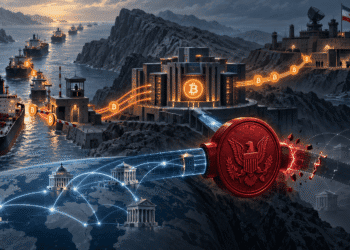
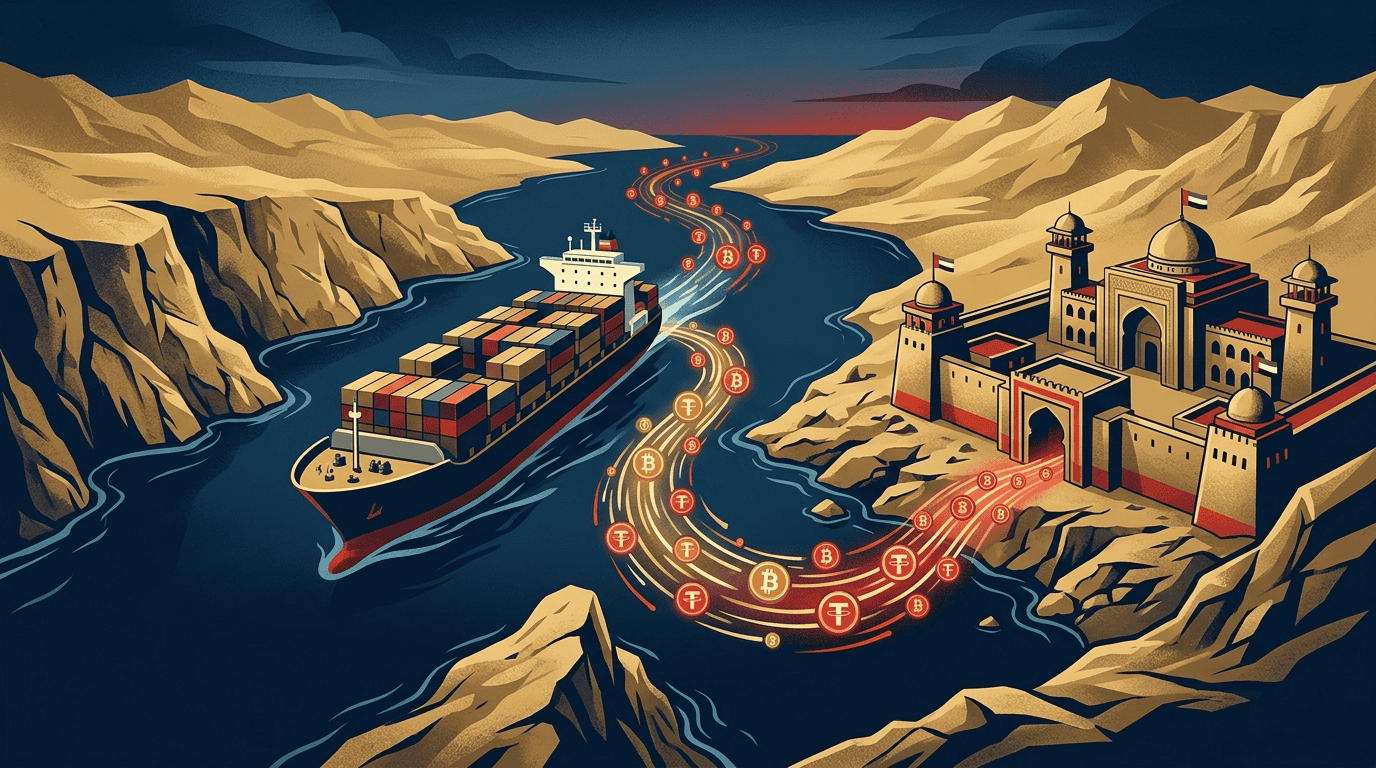
Iran created a government body called the Persian Gulf Strait Authority (PGSA) on May 18, 2026, with a single purpose: collecting transit tolls from commercial ships passing through the Strait of Hormuz. The payment methods? Bitcoin and USDT.


Roughly one-fifth of the world’s daily oil supply passes through that narrow waterway. Iran’s geographic position along its northern shore gave it leverage. The PGSA was the mechanism for monetizing that leverage. And cryptocurrency was the payment rail that made it work despite Iran being cut off from the international banking system by Western sanctions.
On Wednesday, the US Treasury Department’s Office of Foreign Assets Control sanctioned the PGSA, its associated crypto wallet addresses, and the financial infrastructure supporting it. Treasury Secretary Scott Bessent said the sanctions, combined with an ongoing naval blockade, have significantly reduced Iran’s oil shipments and airline access.
The crypto wallets are now blacklisted. Any US person or business that interacts with them faces strict liability. And one of the most audacious uses of blockchain technology by a sovereign government has been cut off at the source.
How Iran Built a Crypto Toll Booth in International Waters
The PGSA emerged during the most dangerous phase of the Iran conflict in 2026.
After US-Israeli airstrikes hit Iranian military targets in late February, tensions in the Strait of Hormuz escalated rapidly. Iran deployed IRGC naval forces to patrol the waterway and began demanding payments from commercial vessels for “safe passage.” The message to shipping companies was clear: pay or face consequences.
The tolls weren’t small. Reports from April indicated Iran was seeking fees ranging from hundreds of thousands to millions of dollars per transit, depending on the size and cargo of the vessel. For a supertanker carrying crude oil worth $100 million or more, paying a toll of even $1 million was cheaper than rerouting around the Cape of Good Hope, which adds weeks of travel time and millions in fuel costs.
The problem for Iran was how to collect the money. The country has been locked out of the SWIFT international banking system since 2018. Traditional bank transfers are impossible. Wire payments would be intercepted. Cash is impractical on open water.
Cryptocurrency solved all of those problems at once. A shipping company could transfer Bitcoin or USDT to an Iranian-controlled wallet address in minutes from anywhere in the world. The payment settles on a blockchain that doesn’t require bank approval, SWIFT access, or any government intermediary. And once the crypto is in Iran’s hands, it can be converted to local currency through domestic exchanges or used directly for international procurement.
The PGSA was the institutional wrapper that gave the toll collection an air of government legitimacy. It wasn’t pirates demanding ransom. It was a formally established Iranian authority collecting transit fees, denominated in crypto because no other payment system was available.
The OFAC Response
The Treasury Department moved on multiple fronts simultaneously.
The PGSA itself was added to the Specially Designated Nationals (SDN) list, making it illegal for any US person or entity to transact with the authority or any entity acting on its behalf. The crypto wallet addresses associated with the toll collection operation were also blacklisted.
OFAC issued a specific alert on May 1, warning the global shipping industry that payments to Iran for passage through the Strait of Hormuz carry significant sanctions risk, regardless of how those payments are structured. The alert explicitly names digital assets alongside fiat currency, offsets, informal swaps, and even charitable donations as payment methods that could trigger violations.
That last detail is significant. OFAC specifically flagged donations to organizations such as the Iranian Red Crescent Society and Bonyad Mostazafan as potential vehicles for disguised toll payments. Iran’s creativity in finding payment workarounds was matched by OFAC’s specificity in closing them.
The message to the shipping industry was unambiguous. It doesn’t matter if you pay in Bitcoin, USDT, barrels of oil, or charitable contributions. If the money ends up supporting Iran’s toll system, you’ve violated US sanctions. And the consequences apply to both US persons (who face primary sanctions) and non-US persons (who face secondary sanctions that could restrict their access to the American financial system).
How the Crypto Trail Was Tracked
Iran’s use of crypto for toll collection might seem like a clever way to evade detection. In practice, it created a permanent, traceable record of every payment.
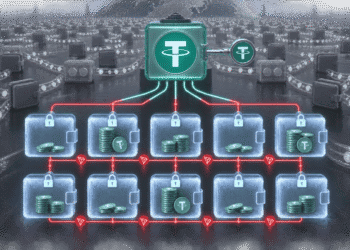
Blockchain analytics firms TRM Labs and Chainalysis have been tracking Iranian state-linked crypto activity for years. Their analysis identified a consistent institutional pattern: large USDT deposits arrive in Iranian-controlled wallets, are routed through bridges to Ethereum or Binance Smart Chain multisignature custody setups, converted through decentralized finance protocols, and eventually funneled to centralized exchanges for conversion to fiat.
The PGSA’s toll collection wallets fit that same pattern. Despite the apparent anonymity of blockchain transactions, the combination of on-chain analysis, intelligence sharing between governments, and cooperation from stablecoin issuers like Tether made the wallets identifiable and ultimately sanctionable.
This follows a broader enforcement trend. In April, OFAC updated its designation of the Central Bank of Iran, and Tether froze $344 million in USDT tied to CBI-affiliated wallets, the largest on-chain seizure of Iranian state-linked crypto to date. In January, OFAC sanctioned two UK-registered exchanges, Zedcex and Zedxion, after TRM identified roughly $1 billion in stablecoin flows linked to IRGC-controlled accounts.
The lesson for anyone contemplating paying Iran’s toll in crypto is straightforward. The blockchain remembers everything. And the people analyzing it are very good at their jobs.
Why This Story Matters Beyond Iran
Strip away the geopolitics for a moment and look at what actually happened. A sovereign government established a formal authority to collect payments in Bitcoin and USDT to access critical global infrastructure.
That’s unprecedented. Governments have used crypto to evade sanctions before. North Korea has stolen billions through hacking. Russia has explored crypto for sanctions circumvention. But creating an official government body that openly collects cryptocurrency tolls from international commercial shipping is something no country has ever done.
It demonstrates both the power and the vulnerability of cryptocurrency as a tool for state actors. The power is obvious: crypto gave Iran a payment system that works outside the international banking infrastructure it’s been cut off from. The vulnerability is equally obvious: every payment left a trail that intelligence agencies and blockchain analysts could follow.
For the crypto industry, the story cuts both ways. It validates that blockchain technology works as a payment system even under the most extreme conditions. But it also provides ammunition to critics who argue that crypto enables sanctions evasion by rogue states, a narrative that lawmakers debating the CLARITY Act and other legislation will inevitably reference.
The reality is more nuanced than either side acknowledges. Iran used crypto because it had no other option. The US sanctioned the crypto wallets because blockchain’s transparency made them traceable. The system worked exactly as designed, for both the user and the enforcer. The debate isn’t about whether crypto enables bad actors. It’s about whether the traceability and enforcement tools that allow authorities to identify and freeze those funds are strong enough to outweigh the access they provide.
Based on the evidence, including $4.4 billion in Tether freezes, $344 million in CBI seizures, and PGSA sanctions, the enforcement side is winning.
The Strait of Hormuz Remains the Key Variable for Crypto
The PGSA sanctions are part of a broader economic pressure campaign against Iran that directly affects cryptocurrency markets.
Every escalation in the Strait of Hormuz sends oil prices higher, fuels inflation, constrains the Fed’s ability to cut rates, and pushes risk assets, including Bitcoin, lower. The airstrikes on Wednesday that crashed Bitcoin below $73,000 were aimed at the same geographic area where the PGSA was collecting crypto tolls.
Treasury Secretary Bessent said negotiations remain necessary to “wind down the broader pressure campaign.” That language suggests the US views sanctions and military strikes as temporary measures designed to force Iran to the negotiating table, not as permanent policy. If a deal is eventually reached, the sanctions regime would ease, oil prices would drop, inflationary pressures would fade, and the conditions for a crypto recovery would improve significantly.
Until then, the Strait of Hormuz remains the most important geographic location in the world for crypto prices. Not Silicon Valley. Not Wall Street. A narrow strip of water between Iran and Oman, where 20% of the world’s oil passes through, and where a government tried to charge ships Bitcoin to let them pass.
FAQ
What is Iran’s Persian Gulf Strait Authority?
The PGSA was established on May 18, 2026, as a formal Iranian government body tasked with collecting transit tolls from commercial ships passing through the Strait of Hormuz. The authority accepted payments in Bitcoin and USDT, leveraging cryptocurrency to circumvent international banking sanctions. The US Treasury sanctioned the PGSA and its associated crypto wallets on May 28.
How were ships paying tolls in cryptocurrency?
Shipping companies transferred Bitcoin or USDT to Iranian-controlled wallet addresses. The payments are settled on blockchain networks without requiring bank approval or SWIFT access. Tolls ranged from hundreds of thousands to millions of dollars, depending on vessel size and cargo. The transactions were traceable through blockchain analytics despite Iran’s intent to operate outside traditional financial oversight.
Can you get in trouble for paying Iran’s toll in crypto?
Yes. OFAC explicitly warned that any payment to Iran for Strait of Hormuz passage, whether in fiat, crypto, oil, or charitable donations, carries significant sanctions risk. US persons face primary sanctions. Non-US persons face secondary sanctions that could restrict access to the US financial system. The PGSA’s crypto wallets are now on the SDN blacklist.
Disclaimer: This article is for informational purposes only and does not constitute financial advice. Cryptocurrency investments carry significant risk. Always conduct your own research before making any investment decisions.