
Lighter reopened deposits and withdrawals late on Monday and published a post-mortem that puts the blame for its 10.39 million USDC drain on a trader’s own signing software, not on the exchange. Lighter said the affected accounts used unofficial code that reused signing nonces, which let an attacker work out their API keys from public data, and that its Security Council returned about 5 million USDC to the trader before withdrawals restarted. It still has not given a total loss figure or named the trader.
What the post-mortem says
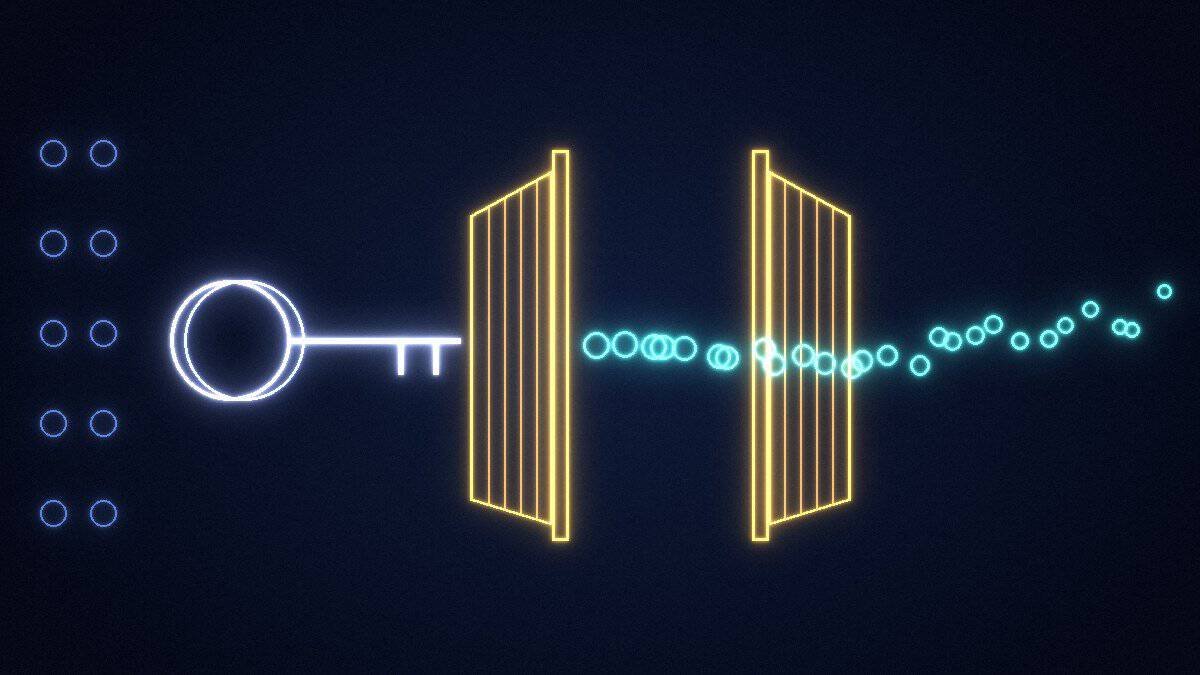
Every action on Lighter is signed with an API key, and each signature needs a one-off random number called a nonce. Lighter’s signatures were public. If the same key signs two different transactions with the same nonce, anyone can calculate the private key from the pair. The exchange said the affected accounts were running signing code “other than the official Lighter SDKs” and that this code had been reusing nonces, so the attacker “needed no access to the accounts or to Lighter’s systems.” Its official software development kits generate nonces safely and were not affected, Lighter said.


The write-up also confirms the route researchers had described on Monday. An API key on Lighter cannot withdraw to someone else’s wallet, but it can move funds to the account’s own sub-accounts, and a public pool created by the account counted as one. With the leaked key, the attacker created a public pool from the victim’s account, minted pool shares from a separate account it controlled, moved the victim’s money into the pool without minting new shares, then redeemed its shares and withdrew. Lighter said the protocol, its smart contracts and its infrastructure were not affected.
Lighter added that its smart contract Guardian “was triggered by the anomaly,” which paused withdrawals and allowed “~5MM USDC to be returned to the affected trader.” Its update earlier on Monday had described Guardian mode as a precaution it had switched on.
Withdrawals reopen
A minute after the post-mortem, Lighter said deposits and withdrawals were “back to normal” after the Security Council deactivated Guardian mode. That was about two hours after our earlier report found them still suspended.
Ethereum data shows the queue started clearing before the announcement. The USDC balance of ZkLighter, the contract that holds the platform’s collateral, sat near $514 million through the afternoon while withdrawals were frozen. Between 18:00 and 18:15 UTC, about 44.7 million USDC left the contract in some 450 transfers, the largest worth $10.85 million. By early Tuesday the balance was about $469 million, so the backlog drained without a second wave of exits.
One withdrawal in that burst stands out. At 18:03 UTC, 5,096,588 USDC went to a single wallet that moved the money on within four minutes. The amount is close to the $5.09 million that researchers had said was taken from a second market-maker account. Lighter has not said where the returned funds went, and we could not confirm that wallet belongs to the affected trader.
The attacker’s wallet still held about 3,404 ETH on Tuesday morning, unchanged since Monday afternoon. Upbit, which had halted LIT transfers on Monday, resumed LIT deposits and withdrawals on the Ethereum network on Tuesday after finishing its checks.
The open questions
Lighter has not given a total loss. Researchers put it at about $15.5 million across two accounts. If that figure is right, the $5 million return would leave roughly the 10.39 million USDC that left in Monday’s first withdrawal as the loss. Lighter has not confirmed any of those numbers, has not named the trader or the signing code involved, and has not said whether other accounts were signing the same way.
LIT traded near $3.00 early on Tuesday, up about 8.5% over 24 hours and above the roughly $2.75 it fetched before the incident, according to CoinGecko.
What changes for API users
Lighter said it now requires a wallet signature to move funds into a public pool, so an API key alone can no longer do it, and that API key signatures are no longer public. It is adding IP allowlists for keys, per-key limits on which actions and markets a key can use, and monitoring for nonce reuse, and said it will contact affected accounts directly and void their keys. It told traders to sign with its Python, Go or TypeScript SDKs or its Agent Kit, and to rotate every key if they are unsure whether their code ever reused a nonce.
A leaked key can still do damage without the pool route, the exchange warned: someone holding it could trade against the owner at bad prices in thin markets or open large leveraged positions in the account. Binance and Deribit revoked exchange API keys after the SignalPlus breach earlier this month, as we reported.
FAQ
Are Lighter withdrawals working again?
Yes. Lighter said deposits and withdrawals were back to normal on Monday evening after Guardian mode was switched off, and onchain data shows pending withdrawals being paid out.
How did the attacker get the API keys?
Lighter says the affected accounts used unofficial signing code that reused nonces, which made their private keys recoverable from public signatures. It says its own SDKs were not affected.
Did the affected trader get money back?
Lighter says about 5 million USDC was returned to the trader by its Security Council. It has not given a total loss figure.
Disclaimer: This article is for informational purposes only and does not constitute financial advice.