While everyone says NFTs are dead, some rich collectors are still buying them like art.
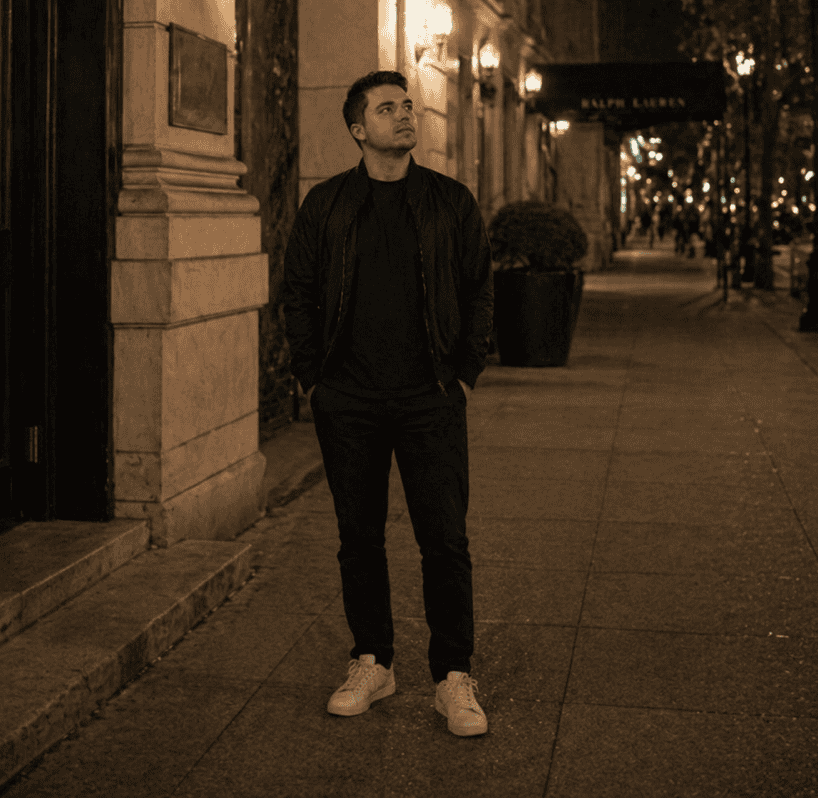
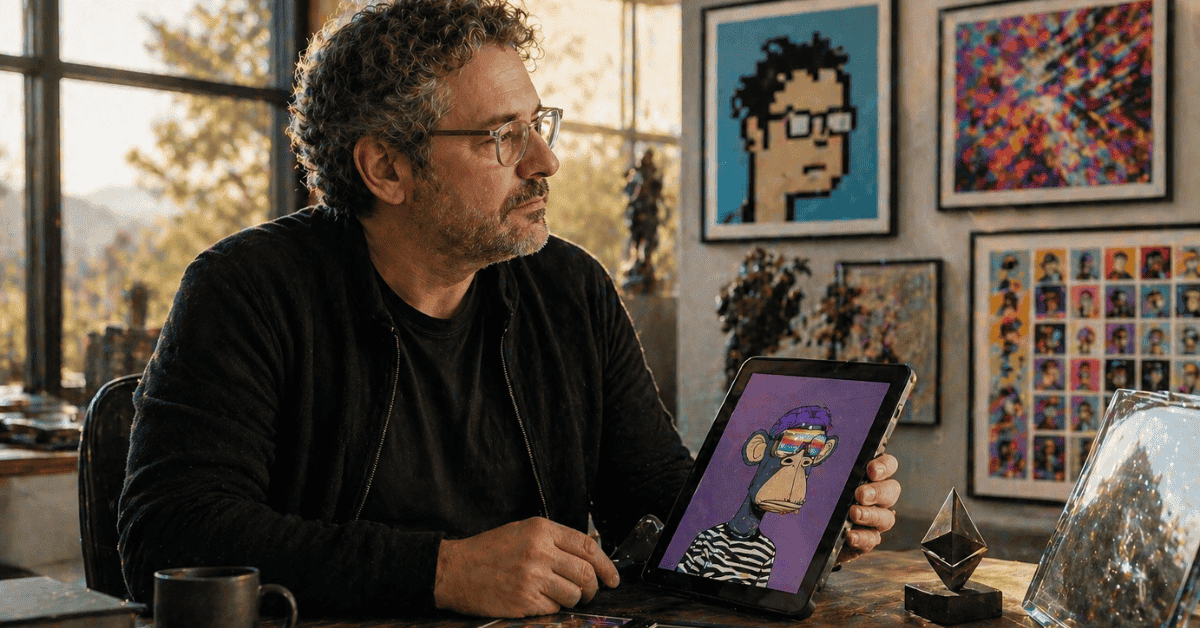
That is the counter-story behind Adam Weitsman, the businessman and collector who continues to publicly support digital collectibles even after the speculative NFT boom cooled. In an April 30 Instagram gallery post, Weitsman was quoted as saying he collects NFTs because he loves the artworks, the creators behind them and the history being made.

That source needs to be handled carefully. An Instagram post is not the same as a regulatory filing, earnings report or independent investigation. But it still gives the NFT market a useful human angle: not every buyer is a short-term flipper.
NFT tourists left. The interesting question is whether actual collectors stayed.
The NFT Market Looks Very Different From 2021
NFTs are no longer living in the mania of 2021 and 2022.
Back then, profile-picture collections, metaverse land, art drops and celebrity-backed projects drew waves of speculative buyers. Many people were not buying because they cared about digital art or creator communities. They were buying because they believed someone else would pay more later.
That dynamic broke when prices fell, liquidity dried up and the broader crypto market became more selective. Many NFT collections collapsed from their peak valuations, trading volume declined and casual buyers moved on to newer narratives.
But art markets do not disappear just because speculation fades. They often become smaller, quieter and more collector-driven. That is where Weitsman’s comments are interesting. They point to a version of NFTs that is less about flipping and more about patronage, taste and long-term cultural ownership.
Weitsman Has Been Buying Through the Downturn
Weitsman is not new to NFTs.
OpenSea published an interview with him in 2025, describing him as a longtime supporter of the Yuga Labs ecosystem and one of the more visible collectors in the space. In that interview, Weitsman discussed how his interest in antiques and American ceramics shaped his broader approach to collecting, including digital assets.
That matters because it frames his NFT activity as part of a longer collecting identity rather than a one-cycle trade.
The Block also reported in August 2025 that Weitsman bought more than 5,000 Yuga Labs NFTs, including assets connected to the Bored Ape Yacht Club ecosystem and Otherside. That kind of move is difficult to explain purely as casual speculation, especially in a weaker NFT market.
Of course, wealthy collectors can afford to take risks that ordinary buyers cannot. A billionaire’s “long-term collecting” may still involve assets that are wildly volatile and illiquid. But his continued activity shows that blue-chip NFT communities have not completely vanished.
Art Collecting Is Not the Same as Token Flipping
The difference between collecting and flipping is not just holding period. It is motivation.
A flipper buys an NFT because they expect a quick resale. A collector may care about the artist, the collection’s history, the community, the cultural moment or the emotional connection to the work.
That distinction is important for NFTs because the market spent years blurring the two. Digital art was often marketed like an investment product. Community access was packaged like financial upside. Roadmaps promised future value. Floor prices became the main scoreboard.
That approach attracted attention, but it also made NFTs fragile. When prices fell, many buyers disappeared because the core promise had been speculation.
Collectors are different. They may still care about value, but value is not the only reason they buy. That is why Weitsman’s line about loving the artworks and creators matters. It points to a healthier version of the NFT market, one where digital ownership is closer to art collecting than leveraged trading.
Blockchain Provenance Still Has a Real Art Use Case
The strongest long-term case for NFTs in art is provenance.
Traditional art markets depend on authenticity, ownership records, galleries, auction houses and expert verification. NFTs offer a digital-native way to prove ownership history, trace transfers and connect a work to a creator’s wallet or verified collection.
That does not make every NFT valuable. It does not guarantee artistic quality. It does not protect buyers from bad projects, wash trading or collapsing demand.
But it does solve a real problem for digital art. Before NFTs, digital images were easy to copy but hard to own in a market sense. NFTs created a way to attach ownership and provenance to digital works, even if the image itself can still be viewed or copied.
For serious collectors, that provenance layer is part of the appeal.
The Market Still Has Plenty of Problems
A collector-focused NFT comeback would still need to overcome major issues.
Liquidity remains thin in many collections. Creator royalties have been weakened across parts of the market. Scams and phishing continue to target collectors. Some projects still overpromise utility or use vague cultural language to disguise weak fundamentals.
There is also the problem of financial framing. When NFTs are sold primarily as investments, they fall into the same trust problem that has hurt much of crypto. Buyers become less interested in the work itself and more interested in exit liquidity.
That is why the art-first argument matters. If NFTs are going to have a durable future, the market needs more collectors who understand what they are buying and fewer tourists chasing a quick multiple.
The Bottom Line
Adam Weitsman’s continued NFT collecting does not prove that the NFT market is back. It does not mean floor prices will recover, or that every old collection has lasting cultural value.
But it does show that the story is more complicated than “NFTs are dead.”
The speculative crowd may have left, but some collectors still appear to care about the art, the creators and the history behind the tokens. That is a smaller story than the 2021 mania, but it may be a more durable one.
NFTs do not need every tourist to come back. They need enough real collectors, artists and communities to keep building value beyond the flip.
Disclaimer: This article is for informational purposes only and does not constitute financial, investment, or legal advice. Always conduct your own research before making any investment decisions.