
Binance has launched Agentic Wallet, a new keyless wallet designed to let AI agents trade, transfer and manage crypto inside user-defined limits.
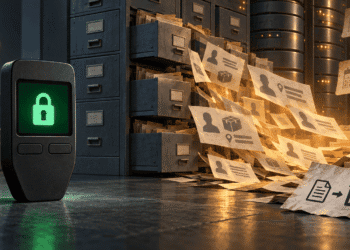
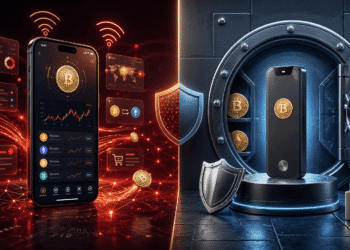
The product creates a separate wallet under a user’s Binance account, with its own isolated balance, permissions and monitoring tools. That separation is the main idea. Instead of giving an AI agent access to a user’s main wallet, Binance is giving the agent a controlled environment where it can operate without touching primary funds.


For Binance, this is a move into one of crypto’s fastest-emerging themes: AI agents that do not only suggest trades, but can also act on-chain.
How Agentic Wallet Works
A Separate Balance for AI Automation
Agentic Wallet is built as a dedicated keyless wallet. Users can fund it separately from their main Binance Wallet, then authorize an AI agent to operate only inside that isolated account.
That means the agent can check balances, initiate transfers, trade and manage orders without gaining open-ended access to the user’s main holdings. Binance says users can set spending limits, define token scope, restrict risky transactions and control tradable assets.
This matters because crypto automation can be dangerous if permissioning is too broad. A poorly configured AI agent, a prompt-injection attack or a software bug could create real losses if the agent has unrestricted wallet access. By separating the agent wallet from the main wallet, Binance is trying to make automation safer and easier to monitor.
Real-Time Visibility Is Part of the Pitch
Binance says Agentic Wallet includes real-time visibility into agent activity through a dedicated dashboard. That gives users a way to track what the agent is doing instead of treating automation as a black box.
The wallet also uses Secure Auto Sign, which allows authorized transactions to execute without individual confirmations once the user has enabled the feature. That improves speed, but it also increases the importance of setting careful permissions before turning an agent loose.
In other words, the wallet is not risk-free. It makes AI-driven crypto activity more structured, but users still have to define the rules and monitor the agent’s behavior.
What AI Agents Can Do
Trading, Transfers and Order Management
Agentic Wallet supports essential wallet operations, including balance checks, transfers, trading and order management. That means an AI agent could be used for tasks such as checking portfolio balances, moving funds between supported addresses, placing market or limit orders and managing open positions.
For more advanced users, Binance says the product integrates with CLI, MCP, Skills and OpenAPI workflows. This makes Agentic Wallet relevant not only for casual users testing AI automation, but also for developers building trading agents or Web3 assistants.
The supported framework list is also broad. Binance says any AI agent framework that supports MCP or tool-use protocols can install Binance Wallet Skills, including OpenClaw, Claude Code and Cursor.
Major Chains Are Supported at Launch
At launch, Agentic Wallet supports BNB Smart Chain, Solana, Base and Ethereum. That gives the product immediate access to several of the most active blockchain ecosystems for DeFi, trading and token transfers.
Binance says more chains will be added later, which could make the wallet more useful if users want AI agents to manage activity across a wider multichain portfolio.
The launch also includes a limited-time campaign. Eligible users can receive up to 20 gas-sponsored transactions during the campaign period, with a global cap of 200,000 sponsored transactions on a first-come, first-served basis.
Why This Matters for Crypto Wallets
Wallets Are Becoming Interfaces for AI
The crypto wallet has traditionally been a place where users hold assets, sign transactions and connect to applications. Agentic Wallet points to a different future, where wallets become permission systems for autonomous software.
That shift could be important. If AI agents become common in crypto, users will need ways to delegate limited authority without handing over full control. A good agent wallet needs separate balances, spending limits, asset restrictions, transaction visibility and emergency controls.
Binance is trying to position Agentic Wallet as that permission layer.
The Main Risk Is Still User Control
The biggest question is whether users will understand the risks. AI agents can make mistakes, misunderstand instructions or be manipulated by malicious prompts. Crypto transactions are usually irreversible, so even a small error can have serious consequences.
Binance’s own announcement warns that AI-generated outputs may contain delays, inaccuracies or third-party views, and that users should not rely on AI agents as their only decision-making source.
That warning is important. Agentic Wallet may reduce the blast radius of a bad agent decision, but it does not remove the need for human oversight.
Why Exchanges Are Moving Into AI Wallets
Binance is not the only crypto company exploring AI automation. Across the market, exchanges and wallet providers are trying to build tools that let software agents interact with Web3 apps, execute trades and manage assets.
The reason is clear. If AI agents become regular participants in financial activity, they will need wallets, permissions, payment tools and transaction access. Crypto is one of the few financial systems where software agents can already hold and move assets directly.
That creates a major opportunity, but also a regulatory and security challenge. If an AI agent places a bad trade, sends funds to the wrong address or interacts with a malicious contract, users, platforms and regulators will all ask who is responsible.
What Comes Next
The first signal to watch is adoption. If Binance users begin creating Agentic Wallets in meaningful numbers, it could show real demand for AI-driven trading and wallet automation.
The second signal is developer activity. OpenClaw, Claude Code, Cursor and other agent frameworks could become important gateways if developers start building useful Binance Wallet Skills around them.
The third signal is chain expansion. Support for BNB Smart Chain, Solana, Base and Ethereum gives Agentic Wallet a strong launch base, but broader network support would make it more useful for active multichain users.
For now, Binance has taken a major step toward making AI agents practical in crypto. The product’s success will depend on whether users trust automation enough to fund these wallets and whether the controls are strong enough to prevent expensive mistakes.
Disclaimer: This article is for informational purposes only and does not constitute financial, investment, or legal advice. Always conduct your own research before making any investment decisions.