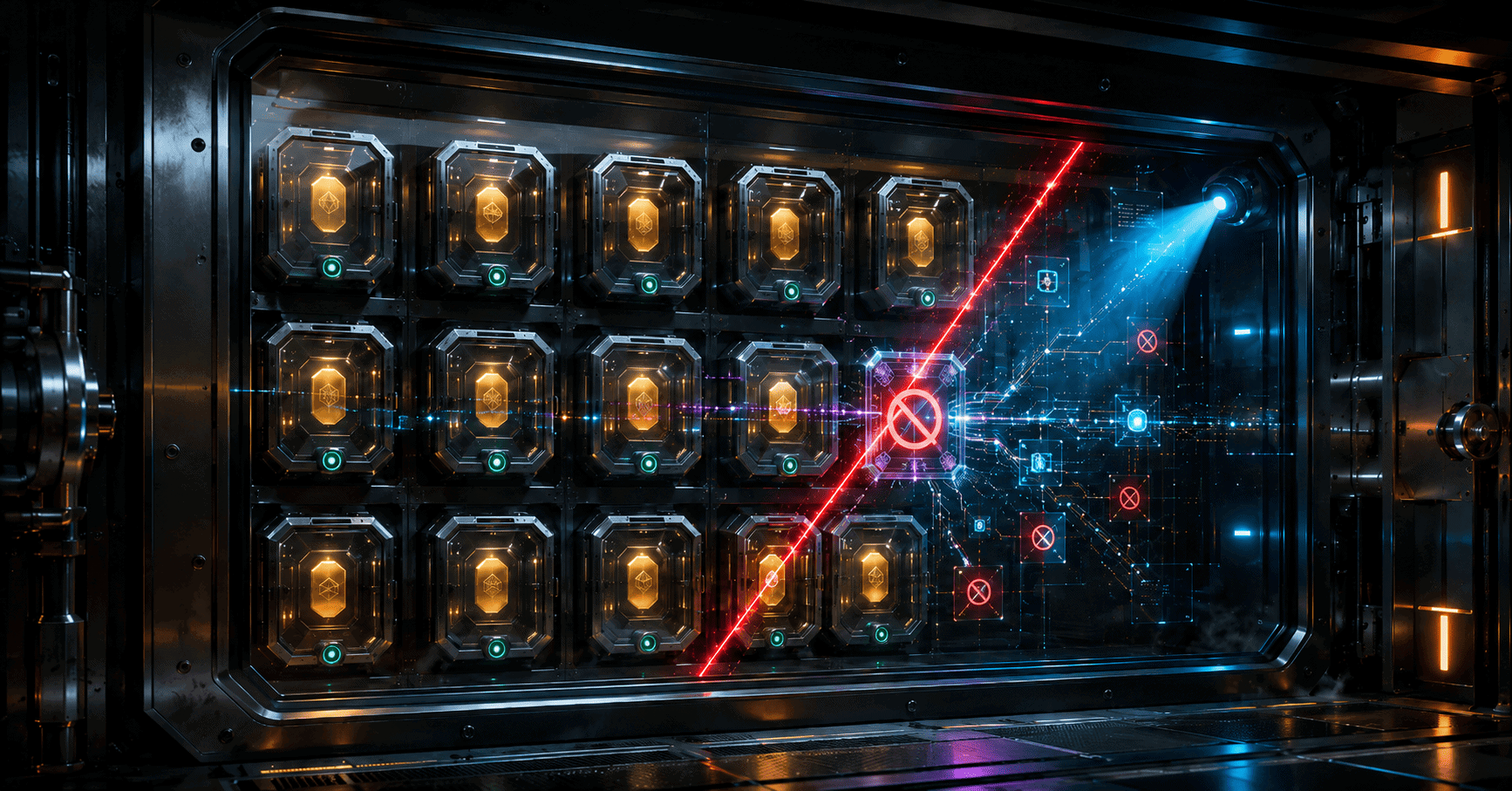
Bankr has frozen key transaction functions after confirming that an attacker accessed 14 Bankr wallets, putting AI-driven crypto wallet security back under pressure.
The AI-powered crypto trading platform said it temporarily disabled relevant functions while it investigates the incident and verifies the full details. Bankr also said every affected user will be fully compensated for losses tied to the wallet compromise.


The incident is important because Bankr sits inside a fast-growing category of crypto products that blend wallets, trading tools, social interfaces, and AI agents. These tools can make crypto activity easier, but they also create new risks when automated systems are allowed to sign, route, or trigger transactions.
Bankr Stops Transactions While It Investigates
Bankr’s first move was to stop the damage from spreading.
The platform disabled transaction activity after confirming that an attacker accessed 14 wallets. Market updates said the paused activity included swaps, transfers, and deployment functions while the team investigated the scope of the attack.
That matters because transaction freezes are one of the few immediate controls a platform can use when wallet access is suspected. If an attacker can still trigger wallet activity, even a short delay can increase user losses. By pausing transaction functions, Bankr is trying to stop further unauthorized movement while it reviews affected wallets and attack paths.
The freeze does not mean all Bankr users were compromised. The confirmed number is 14 wallets based on the available statement. But in wallet-security incidents, platforms often take broad action because the attack path may not be fully understood during the first hours.
The Refund Pledge Helps, but Questions Remain
Bankr’s pledge to fully compensate affected users is important.
Security incidents can destroy user confidence quickly, especially when a product controls or coordinates wallet actions. A clear reimbursement promise helps reduce immediate panic and gives affected users a path to recovery. Current reports say Bankr confirmed that every affected user will be fully compensated for losses from the incident.
Still, compensation does not answer every question. Users and developers will want to know how the attacker gained access, whether private keys were exposed, whether the issue came from signing permissions, whether an AI-agent workflow was abused, and whether any third-party service was involved.
Those details matter because different causes require different fixes. A stolen private key is one kind of problem. A malicious approval is another. Unauthorized agent signing is another. A compromised integration is another. Until Bankr publishes a fuller postmortem, users should treat the event as an active security incident rather than a closed case.
AI-Agent Wallets Have a Trust-Layer Problem
The Bankr incident is drawing extra attention because of the AI-agent angle.
SlowMist founder Yu Xian suggested the exploit was likely a social engineering attack targeting the trust layer between automated agents, specifically interactions involving Grok and Bankrbot that led to unauthorized transaction signatures.
That point is important. Traditional crypto security often focuses on private keys, malicious smart contracts, phishing sites, and fake support messages. AI-agent wallets add a different risk: a user may authorize an agent or tool to help manage crypto actions, and the attacker may try to manipulate that agent into doing something the user never intended.
This is not the same as a normal wallet being drained through one bad link. Agent-based systems can create chains of trust. A user trusts the wallet. The wallet trusts the agent. The agent trusts a message, prompt, or connected service. If an attacker can exploit one part of that chain, the final transaction may still look like it came from an authorized flow.
That is why AI wallet security needs stricter permission controls than many users are used to. Agents should not have broad spending power by default. They need limits, confirmations, allowlists, spending caps, and clear logs that show what they are doing.
Users Were Told to Stop Signing and Revoke Approvals
The user guidance around the incident is also important.
Reports said users were warned to stop signing transactions, create new wallets, and revoke existing approvals. That is standard emergency advice when a wallet or connected permission system may be compromised.
Stopping signatures matters because every new approval can create another opening. In crypto, a signature is not just a login click. It can approve token transfers, authorize spending, confirm contract interactions, or let another address move assets under certain conditions.
Revoking approvals can also reduce future risk. Token approvals allow decentralized applications or contracts to spend specific assets from a wallet. If those approvals are broad or unlimited, a compromised contract or trusted service can become dangerous long after the user first connected. Revoke.cash explains that token approvals can let a dapp spend tokens or NFTs and that users may need to revoke old permissions to regain control.
For Bankr users, the safest short-term response is to stop interacting with suspicious prompts, avoid signing new transactions until the platform gives clearer guidance, review connected approvals, and consider moving funds to a fresh wallet if they believe their current wallet may be affected.
This Is Different From a Smart Contract Exploit
The Bankr case should not be described too quickly as a classic smart contract hack.
Based on the available information, the core issue appears to involve wallet access, signing permissions, and possibly social engineering around agent interactions. That is different from an exploit where an attacker finds a bug in a DeFi contract and drains pooled liquidity.
The difference matters for readers. If a smart contract is broken, every user interacting with that contract may be exposed in the same way. If wallet access or signing flow is abused, the risk may depend on which users granted permissions, which wallets were connected, and how the attacker triggered transactions.
That also changes the prevention lesson. Smart contract risk is often managed through audits, bug bounties, and protocol controls. Wallet-agent risk needs strong permission design, safer default settings, clearer user prompts, and transaction simulation that ordinary users can understand.
Bankr’s postmortem will need to explain which category this incident belongs to. Until then, the safest conclusion is that automated crypto tools need stronger guardrails before users give them power over real funds.
AI Trading Tools Are Moving Faster Than Security Habits
Many crypto users already struggle with seed phrases, approvals, bridge risks, phishing, fake airdrops, and malicious links. Adding AI agents into the transaction flow can make things easier on the surface, but it can also hide important decisions behind automation.
A user may not fully understand what an agent is allowed to do. They may approve a broad permission because it makes the tool smoother. They may trust a bot response because it appears inside a familiar interface. Attackers know this and will look for ways to turn convenience into control.
That does not mean AI wallets are a bad idea. It means they must be designed with smaller permissions, clearer warnings, and safer defaults. A good agent should be able to help users without having unlimited power to move funds.
What Happens Next?
The next step is Bankr’s full incident report.
Users need details on the attack path, affected wallets, total losses, compensation process, what functions remain paused, and what changes will be made before transactions resume. Bankr has said it is investigating and verifying details, but the market will want a clear timeline and technical explanation.
The second thing to watch is whether the attacker addresses move funds. Early coverage said three attacker addresses had been identified and were holding about $440,000 in crypto. If those funds move through exchanges, bridges, or mixers, analysts may get a clearer view of recovery chances and the size of the incident.
The third signal is whether other AI-agent wallet projects tighten controls in response. Bankr may be the immediate name in the headline, but the risk applies to the wider sector.
Disclaimer: This article is for informational purposes only and does not constitute financial, investment, or legal advice. Always conduct your own research before making any investment decisions.