Ireland’s Criminal Assets Bureau and Europol have secured another 500 BTC from dormant wallets tied to a long-running drug trafficking case, turning one of Europe’s strangest “lost Bitcoin” stories back into active law-enforcement news.
The latest recovery is worth about $38.7 million and appears connected to wallets linked to convicted Irish drug trafficker Clifton Collins. It follows a first 500 BTC wallet access in March, bringing the total amount secured or moved in the case to 1,000 BTC.


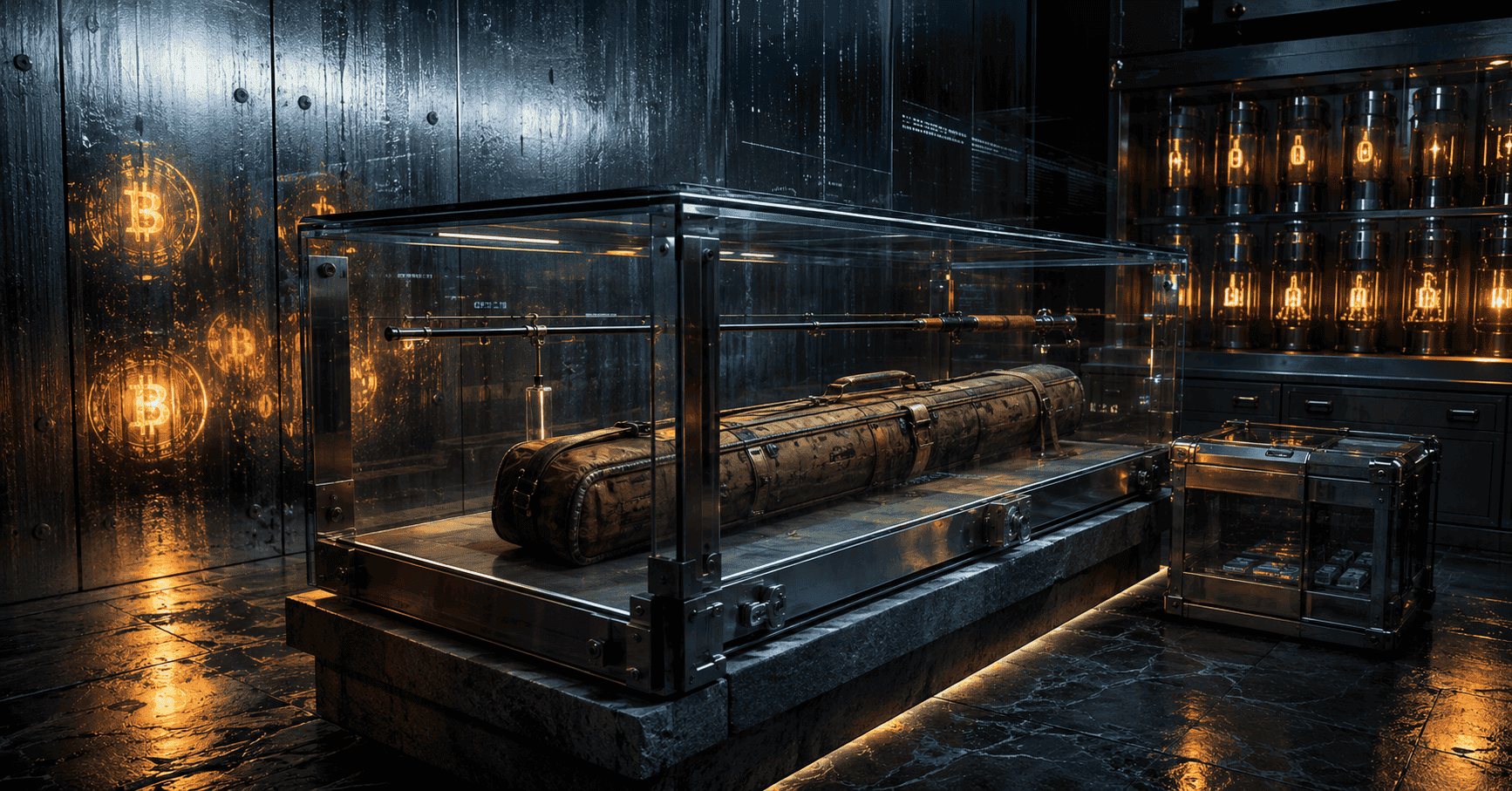
The case stands out because the Bitcoin was once believed to be effectively unreachable. Collins reportedly bought thousands of BTC in 2011 and 2012, split the coins across multiple wallets, and hid the private keys in a fishing rod case that was later lost after his arrest. What once looked like permanently lost crypto is now becoming a live recovery effort.
Another 500 BTC Comes Back Into Custody
The new movement adds a second major recovery to a case that had sat frozen for years.
Ireland’s Criminal Assets Bureau, working with Europol’s European Cybercrime Centre, previously gained access to a wallet containing 500 BTC in March. The Irish Times reported at the time that the wallet was one of 12 linked to Collins and that Europol provided complex technical expertise and decryption resources to support the operation.
The latest 500 BTC recovery suggests investigators may be making progress beyond a one-off wallet access. That is why the story matters for crypto readers. This is not a normal exchange seizure where assets are already in a custodial account. These wallets were dormant for years and were widely treated as inaccessible because the private keys were thought to be gone.
For law enforcement, another successful recovery shows that old crypto cases can remain active long after the first seizure order. For Bitcoin watchers, it shows that coins labeled “lost” can sometimes re-enter custody if investigators find another route to access.
The Clifton Collins Case Has a Lost-Key Twist
The backstory is what makes this case so unusual.
Collins reportedly bought about 6,000 BTC between 2011 and 2012, when Bitcoin traded at only a few dollars. The funds were later tied to proceeds from cannabis cultivation, and Irish authorities moved against the assets after his conviction. Reports say Collins split the Bitcoin into 12 wallets, each holding 500 BTC, and stored the private keys on paper inside a fishing rod case.
That storage decision became central to the case. After Collins was arrested in 2017, his rented home was cleared and the fishing rod case was believed to have been discarded. For years, that created the impression that the Bitcoin might be legally seized but practically unreachable.
The Irish High Court ordered the Bitcoin confiscated in 2020, but a court order alone cannot move Bitcoin without access to the private keys or another valid recovery path. That is what made the first 500 BTC wallet access in March such a major development. It showed that at least part of the Collins-linked stash was not as lost as previously believed.
Europol’s Role Shows How Crypto Policing Is Changing
Europol’s involvement is important because cross-border crypto cases often need more than local police work.
The European Cybercrime Centre helped Irish investigators with technical expertise and decryption resources during the earlier recovery. Authorities did not publicly explain the exact method used, and that caution is understandable. If investigators reveal too much about how a wallet was accessed, they may weaken future operations or expose sensitive forensic techniques.
The key point is that law enforcement is becoming more capable in old crypto cases. Investigators now use blockchain analytics, exchange cooperation, device forensics, password recovery, transaction tracing, and international coordination. They still cannot magically break Bitcoin’s cryptography, but they may find weaknesses in how people stored keys, encrypted files, reused passwords, or managed backups.
That distinction matters. This case does not mean Bitcoin private keys can be cracked at will. It more likely shows that human storage mistakes, poor operational security, or recovered digital evidence can give investigators a way in.
Dormant Criminal Bitcoin Can Still Move Markets
A 500 BTC recovery is not large enough to move the full Bitcoin market by itself, but it is still market-relevant.
Government-held Bitcoin can eventually create questions about custody, sale timing, auctions, restitution, or long-term holding. In this case, the recovered amount is now 1,000 BTC across two known wallet events, while reports have suggested that several thousand more BTC may remain tied to the broader Collins case.
Traders pay attention to these movements because dormant wallets can create sudden supply headlines. If coins are moved to a major custodian or exchange-linked address, markets often ask whether the next step is storage, liquidation, legal processing, or evidence handling.
That does not mean the Irish government is about to sell the recovered Bitcoin immediately. Asset recovery cases can take time, and authorities may need to follow legal procedures before any sale or distribution. But once dormant coins are accessible, they are no longer purely theoretical supply.
The Case Challenges the “Lost Forever” Narrative
Bitcoin users often say that lost coins are gone forever.
In many cases, that is true. If a private key is genuinely destroyed and no backup exists, there is no customer support desk, bank reversal, or password reset that can restore access. Bitcoin’s security model depends on that finality.
The Collins case is more complicated. The coins were believed to be lost because the printed keys were reportedly discarded, but investigators have now accessed at least two 500 BTC wallet tranches. That does not mean the protocol failed. It means the original story about the only possible access path may not have been complete.
There are several possible explanations, and authorities have not confirmed which one applies. There may have been another backup, an encrypted file, a recoverable password, forensic evidence, or some other access route. Without official technical detail, the safest conclusion is that “lost” is sometimes a legal or practical description rather than a mathematical certainty.
Why This Matters Beyond One Drug Case
The recovery has wider meaning for crypto enforcement.
Old criminal crypto cases are often messy. Assets may be split across wallets, keys may be missing, defendants may lie, devices may be damaged, and blockchain movements can happen years after the original crime. Law enforcement agencies need patience and technical skill to turn a legal seizure into actual custody.
This case also shows why criminals who bought Bitcoin early remain a special challenge. A small amount of money used to buy BTC in 2011 or 2012 can now represent tens or hundreds of millions of dollars. That creates a strong incentive for agencies to keep working dormant cases even after years of silence.
For crypto users, the lesson is different. Private-key management remains the difference between control and permanent loss. For law enforcement, the lesson is that “inaccessible” assets may still be worth investigating if there are devices, backups, passwords, or transaction histories left behind.
What Happens Next?
Reports have long described the original stash as 6,000 BTC split across 12 wallets of 500 BTC each. If two wallet tranches have now been secured, attention will naturally turn to whether more of the remaining wallets can be accessed.
The second thing to watch is custody. Once authorities secure Bitcoin, the market will want to know whether the coins remain in government-controlled custody, move to a custodian, or eventually face sale through legal asset-disposal procedures.
The third signal is whether Europol or Ireland’s Criminal Assets Bureau releases more detail. A full technical explanation is unlikely, but even a basic update could clarify how much Bitcoin has been recovered, how many wallets remain inaccessible, and whether the latest 500 BTC is formally confirmed as part of the Collins case.
For now, the recovery keeps one of the most famous European lost-Bitcoin cases alive.
Disclaimer: This article is for informational purposes only and does not constitute financial, investment, or legal advice. Always conduct your own research before making any investment decisions.