Five months of red candles. The longest losing streak since 2018. A war that crashed Bitcoin from $126,000 to $60,000. And now, quietly, it is all turning around.
Bitcoin is up 13.6% in April, putting it on track for its best monthly performance in a year, according to CoinGlass data. The price has held above $77,000 all week after touching $79,388 on Wednesday. From October through February, crypto posted five consecutive monthly declines. That streak is done. March was flat. April is green. And the money behind the move is real.


Where Is the Money Coming From?
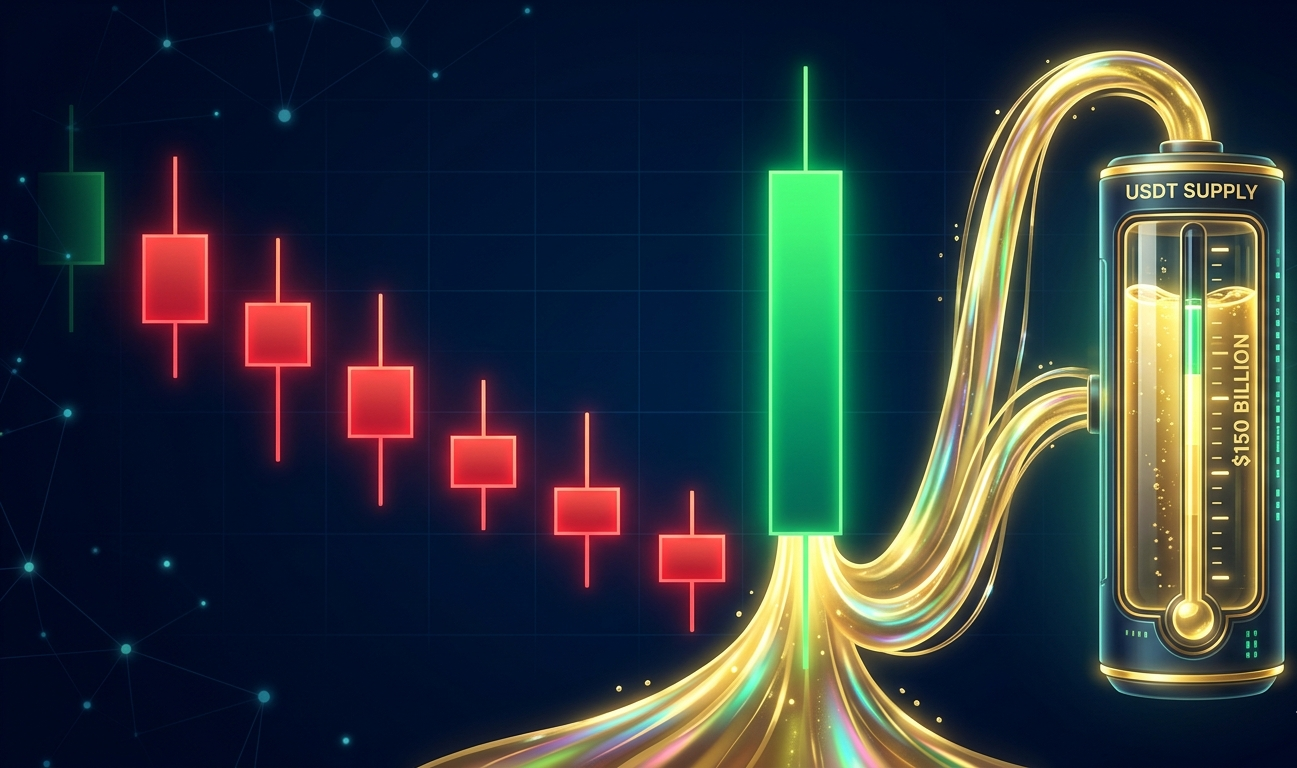
The biggest single driver is stablecoins. Tether’s USDT supply has surged to just under $150 billion, adding roughly $5 billion in two weeks after months of sitting flat. That matters because stablecoins are the fuel that powers crypto trading. When traders want to buy Bitcoin, they usually buy it with USDT. A $5 billion jump in USDT supply means $5 billion in fresh capital has entered the crypto ecosystem and is sitting on exchanges ready to deploy.
Think of it like water flowing into a reservoir. The reservoir was running low for months. Now $5 billion just poured in. The water level is rising, and everything in the reservoir floats higher.
ETF flows are adding to the liquidity. Spot Bitcoin ETFs logged an eight-day inflow streak, the longest since October. Strategy bought $2.54 billion in BTC. Japan’s Metaplanet issued $50 million in zero-interest bonds to buy more. The institutional bid is broad, consistent, and showing no signs of slowing down.
Why Did Markets Stop Caring About the War?
This might be the most interesting part of the story. Iran and the US are still technically at war. The Strait of Hormuz is still blockaded. Ships are still stranded. Oil is still at $89.
Jasper de Maere, OTC trader at Wintermute, put it simply: “The equities and crypto markets seem to have stopped caring about intricate headlines on the conflict’s direction. This shows a certain level of fatigue and potentially complacency.”
That shift happened gradually. In February, every Hormuz headline moved Bitcoin $2,000 to $3,000. By late March, the swings were $500 to $1,000. By April, the market barely flinches. Traders have priced in the blockade as the new normal. The ceasefire extension removed the tail risk of bombs falling. And a strong earnings season on Wall Street gave risk assets a reason to rally even with oil elevated.
The S&P 500 and Nasdaq have climbed back to record highs. Bitcoin has followed. The correlation between crypto and equities remains tight, which means the equity backdrop matters as much as anything happening in crypto itself.
Can Bitcoin Break Through $79,000?
That is the question for the rest of the month. BTC hit $79,388 on Wednesday and pulled back to $77,500. The $79,000 to $80,000 zone has rejected every attempt to break through it.
Adam Haeems, head of asset management at Tesseract Group, told CoinDesk that $79,000 “matters structurally because heavy institutional overhead supply sits just above it.” Whether BTC can break through depends on who is buying. Moves driven by short covering tend to fade once momentum cools. A breakout backed by sustained institutional demand is more durable.
The FOMC meeting on April 28 and 29 is the next catalyst. If ETF inflows continue through that event and the Fed signals that rate cuts remain possible later this year, $79,000 could flip from resistance to support. If flows fade or the Fed turns hawkish, Bitcoin likely slips back into the $75,000 to $77,000 range.
What Has Changed Since the Bottom?
The February 6 low of $60,000 was the point of maximum fear. The Fear and Greed Index hit 5 that day. Extreme Fear had been running for 59 consecutive days, the longest streak since the FTX collapse. People were talking about $50,000.
Since then, several things have changed. The ceasefire was announced on April 8 and extended indefinitely on April 22. Oil dropped from $103 to $89. Spot Bitcoin ETFs reversed months of outflows and logged billions in fresh capital. USDT supply expanded by $5 billion. Strategy, Metaplanet, and Bitmine all made their largest purchases of the year. And the Nasdaq hit new all-time highs, pulling risk appetite back into crypto.
None of this guarantees the rally continues. The war is not over. Oil is still elevated. The Fed has not cut rates. DeFi just lost $600 million in hacks this month. But for the first time since October, the monthly candle is green. The losing streak is broken. And $5 billion in fresh stablecoin capital says the market has made up its mind about which direction it wants to go, at least for now.