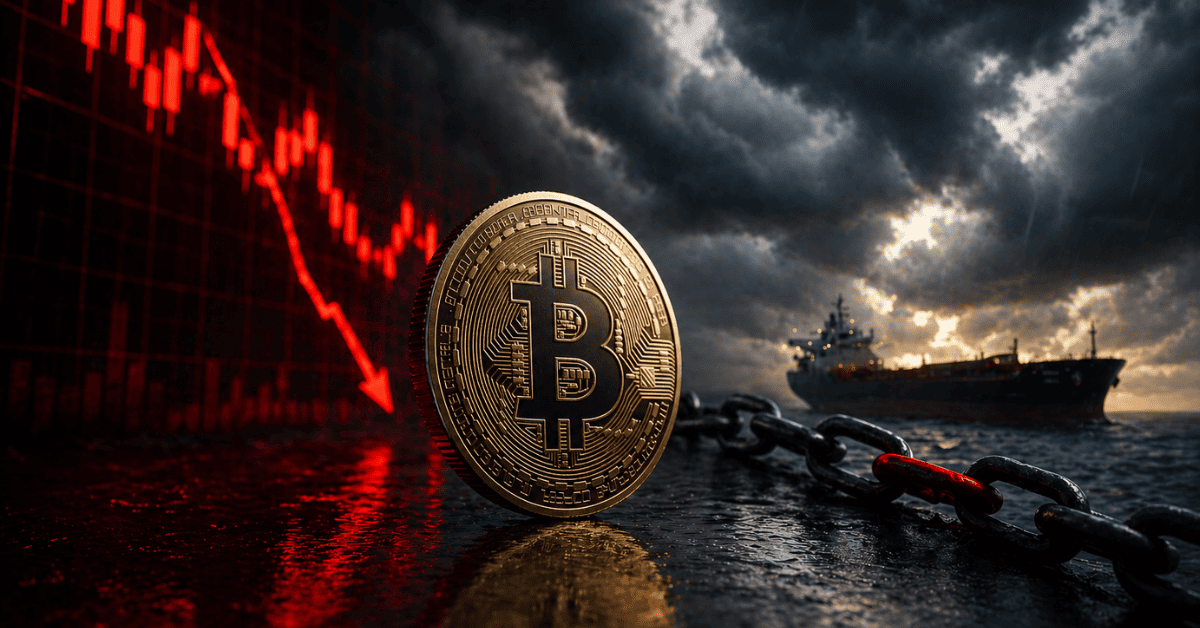
Crypto-linked equities are under pressure as investors pull back from speculative trading and move toward safer assets during a worsening geopolitical and macroeconomic backdrop.
The latest pressure point is a combination of war risk, higher energy prices and weakening crypto trading activity. As the Iran conflict enters its third month, the continued closure of the Strait of Hormuz has helped drive Brent crude sharply higher, intensifying fears that the global economy could face both slower growth and stickier inflation. Reuters reported that Brent has climbed more than 50% to around $112 per barrel as the Strait disruption continues.

That is a difficult setup for high beta sectors. Crypto stocks, including listed brokers, exchanges and digital asset firms, tend to perform best when liquidity is strong, investors are willing to take risk and trading volumes are rising. At the moment, the opposite conditions are building.
Robinhood Shows How Fast Crypto Revenue Can Turn
Robinhood has become the clearest example of the pressure facing crypto-focused equities.
The trading platform’s shares fell sharply after first-quarter results missed Wall Street expectations, with Reuters reporting an 11% drop after the company disclosed weaker trading volume growth. The key issue was crypto. Robinhood’s cryptocurrency trading revenue fell 47% year over year to $134 million, while weaker digital asset activity weighed on overall transaction revenue.
That matters because Robinhood’s business is closely tied to retail appetite. When individual traders are active, crypto, options and equities can all become powerful revenue engines. When markets become more volatile in a negative way, and when investors are worried about oil shocks or inflation, retail participation often fades.
MarketWatch also reported that Robinhood’s crypto trading volumes fell 48% year over year in the first quarter, even as Bitcoin was on pace for its strongest monthly performance in a year. That contrast is important. Prices can rebound before trading activity fully recovers, but brokers and exchanges need volume, not just higher token prices, to rebuild transaction revenue.
Why the Strait of Hormuz Matters for Crypto
The Strait of Hormuz is not a crypto market issue on the surface. It is an energy market chokepoint. But when oil prices rise sharply, the impact can quickly spread into risk assets.
Higher oil prices can feed inflation, pressure consumers and complicate central bank policy. If investors believe inflation will stay elevated while growth slows, they become less willing to pay high valuations for speculative or cyclical assets. Crypto stocks sit squarely in that vulnerable group.
The current concern is not just that oil is expensive. It is that a prolonged disruption could keep energy costs elevated long enough to damage confidence. Reuters noted that the longer the Strait remains closed, the greater the threat of broader stagflation risks, particularly for energy-importing regions.
For crypto companies, the effect is indirect but powerful. A macro shock can reduce trading activity, lower token risk appetite and make investors less tolerant of volatile earnings. That is why a broker such as Robinhood can be punished heavily when crypto revenue falls, and why exchange-linked names can trade more like leveraged bets on market sentiment.
Coinbase and Peers Are Caught in the Same Sentiment Shift
Robinhood is not alone. Coinbase and other crypto-linked public companies are also exposed to the same mix of lower trading activity, weaker speculative appetite and uncertainty around the market cycle.
CoinDesk reported that Robinhood and Coinbase led a crypto stock rout as investors reacted to weak crypto trading revenue and wider market pressure connected to the Iran conflict. The move highlights how quickly sentiment can turn when company-specific earnings concerns collide with geopolitical risk.
This does not mean the business models are broken. It means public crypto companies remain highly sensitive to trading conditions. When retail flows cool, volumes fall and macro headlines dominate, investors often mark down these stocks faster than they mark down the broader market.
What Investors Should Watch Next
The first thing to watch is trading activity. If Bitcoin, Ethereum and major altcoins continue to trade with low volume, crypto brokers and exchanges may struggle to convince investors that revenue growth is recovering.
The second factor is regulation. MarketWatch noted that some analysts are watching legislative progress, including the Clarity Act, as a potential driver of renewed institutional interest. Clearer rules could help support longer-term confidence, even if near-term trading remains weak.
The third factor is energy. If oil prices stay elevated because of the Hormuz disruption, stagflation fears may keep pressuring high beta sectors. If the blockade eases and oil retreats, crypto stocks could benefit from a broader return to risk appetite.
For now, crypto equities are trading less like technology growth stories and more like macro-sensitive financial stocks. Their recovery will likely depend on whether trading volumes return, whether regulation becomes clearer and whether the oil shock fades before it causes deeper damage to global markets.
Disclaimer: This article is for informational purposes only and does not constitute financial, investment, or legal advice. Always conduct your own research before making any investment decisions.