MOTHER token lawsuit headlines are putting Iggy Azalea’s Solana meme coin back under scrutiny after a brutal collapse from its peak.
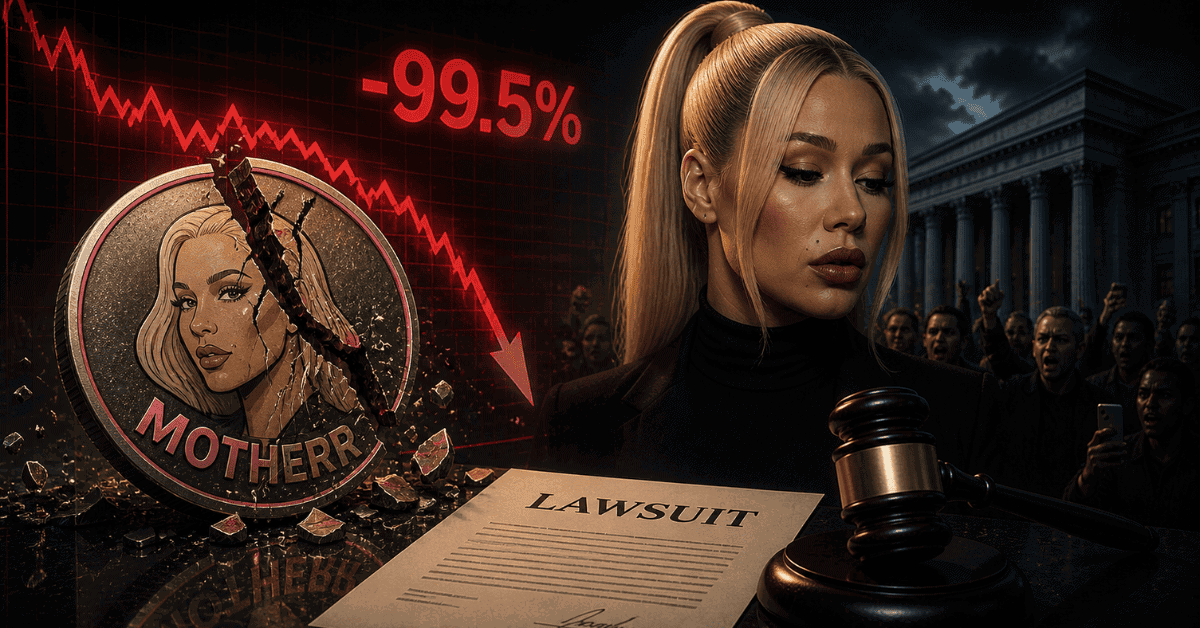
A federal class-action lawsuit has been filed against Azalea over MOTHER, alleging that buyers were misled by promises of real-world utility that failed to materialize. The token is now reportedly down 99.5% from its all-time high, turning what was once one of the more durable celebrity meme coin stories into another legal warning sign for the sector.


The case matters because MOTHER was not just another anonymous meme token. Azalea publicly embraced it, defended it and tried to separate it from the wave of celebrity coins that quickly collapsed in 2024.
Now, investors are asking whether the project’s marketing crossed a legal line.
What the Lawsuit Claims
The lawsuit, filed by Burwick Law, alleges that buyers were induced to purchase MOTHER through claims about future utility and real-world plans that did not arrive as promised.
That is a familiar legal theme in crypto. Meme coins often present themselves as jokes, communities or cultural assets. But if promoters also suggest that buyers can expect value from future business plans, products or utility, lawsuits can argue that the token was marketed more like an investment.
The MOTHER case appears to focus on that gap between hype and delivery. The issue is not only that the token dropped. Tokens drop all the time. The legal question is whether buyers were misled about what they were buying and what the project would become.
Azalea has not been found liable, and the allegations still need to be tested in court.
The 99.5% Collapse Changes the Tone
MOTHER’s price collapse is central to why the lawsuit is getting attention.
A meme coin can survive jokes, volatility and even criticism when the community is still active and the chart is strong. But a 99.5% drawdown from the all-time high changes the conversation. What once looked like edgy internet branding starts to look, to angry buyers, like a failed promise.
That does not automatically prove wrongdoing. Meme coins are notoriously volatile, and buyers know, or should know, that these assets can lose nearly all their value.
But lawsuits often arrive after the chart breaks. When the hype disappears and the losses become real, investors start looking back at every post, promise, roadmap and promotional claim.
That is exactly the danger for celebrity-backed tokens.
Why MOTHER Was Different From Other Celebrity Coins
MOTHER originally stood out because Azalea stayed involved longer than many other celebrities.
During the 2024 celebrity meme coin wave, many tokens launched, pumped and died almost immediately. Some were linked to promoters accused of running short-lived cash grabs. Azalea tried to position MOTHER differently, arguing that it was not just another pump-and-dump celebrity token.
She also leaned into crypto culture directly. That helped MOTHER gain more credibility than many celebrity coins at the time. Some traders saw her as more engaged, more online and more willing to actually build a community around the token.
That makes the lawsuit more interesting. The legal issue is not only whether a random celebrity promoted a coin. It is whether a celebrity who actively participated in the project’s branding and messaging created expectations that later became the basis for investor claims.
Celebrity Meme Coins Have a Legal Problem
Celebrity meme coins have always had a basic contradiction.
They are marketed as jokes, but they often trade like speculative investments. They rely on fame, attention and community excitement, but buyers still hope the price goes up. The celebrity can say the project is culture, not finance, while the market treats it like a lottery ticket.
That contradiction becomes dangerous when promoters talk about utility, partnerships, platforms, products or long-term plans. The more serious the pitch becomes, the harder it is to hide behind the “it is just a meme” defense.
The MOTHER lawsuit shows how this can play out. If a token is sold on vibes alone, buyers may have fewer legal hooks. If it is sold on promised future utility, the legal risk can grow.
The Broader Meme Coin Warning
The lawsuit also lands at a time when meme coins are under heavier scrutiny.
Retail traders have lost money across celebrity coins, political coins, animal coins and endless Pump.fun-style launches. Many projects start with massive attention and then fade once early holders sell, liquidity dries up or the next trend takes over.
That does not mean all meme coins are scams. Some are transparent cultural tokens with active communities. But the category is full of asymmetric risk. Insiders, early buyers and promoters often have better timing than ordinary retail traders.
The MOTHER case is a reminder that celebrity involvement does not remove that risk. In some cases, it may make the risk worse, because fans may trust a familiar name more than an anonymous developer.
What to Watch Next
The next thing to watch is whether the case survives early legal challenges.
Defendants in crypto class actions often argue that buyers understood the risks, that statements were promotional rather than promises, or that losses came from market volatility rather than fraud. Plaintiffs usually try to show that specific claims, marketing or omissions created a misleading impression.
For MOTHER, the key evidence will likely include public posts, project statements, promised utility, token materials and how buyers were encouraged to view the token.
If the lawsuit progresses, it could become another important test of how courts treat celebrity meme coin promotion.
The Bottom Line
MOTHER token lawsuit news is a warning shot for celebrity crypto projects.
Iggy Azalea’s token once looked like one of the rare celebrity meme coins with staying power. Now it is reportedly down 99.5% from its all-time high and facing a federal class-action lawsuit over alleged misleading promotion.
JUST IN: @BurwickLaw files federal class action against Iggy Azalea over MOTHER token.
The complaint alleges buyers were induced by promises of real-world utility that never materialized.
MOTHER is down 99.5% from its all-time high. pic.twitter.com/ROJyoEQcTJ
— CoinDesk (@CoinDesk) May 5, 2026
The legal claims still need to be proven. But the market lesson is already obvious: celebrity attention can launch a meme coin, but it cannot protect buyers from collapse.
In crypto, fame can create liquidity. It cannot guarantee value.
Disclaimer: This article is for informational purposes only and does not constitute financial, investment, or legal advice. Always conduct your own research before making any investment decisions.