
Swell has reopened swETH and rswETH withdrawals and says both exchange rates are back where they should be, ten days after an attacker used a stolen operations key to push them up by more than 6%. The update from Swell on Sunday also promised that users who deposited at the inflated rates “will receive compensation within the next week.”
The on-chain record backs up most of that, with one exception. A transaction sent from Swell’s 4-of-7 multisig at 10:46 UTC lifted the withdrawal pause on both tokens. The flag that governs core functions, including direct deposits, was still switched on when we checked the contracts at about 12:15 UTC. A simulated 1 ETH call to deposit() on each contract reverted with a “CoreMethodsPaused” error at that time.

What the attacker changed
Swell set out the details in an incident report published on Oct. 29. Using a leaked personal SSH key belonging to a team member, an intruder got into Swell’s servers on Oct. 20. From there they reached its Google Cloud account through long-lived credentials and its ArgoCD deployment tool through a shared admin password. That gave them the “bot” key the protocol uses to report validator balances.
Over about five hours on Oct. 21 and 22, the attacker submitted 11 false balance reports. Each one stayed inside the oracle’s limit of 1% per hour, so none of them tripped a check. There was no independent proof-of-reserve feed to compare the reports against. The swETH rate climbed from 1.1333 to 1.2030 ETH, up 6.15%, and the rswETH rate went from 1.0825 to 1.1377 ETH, up 5.10%.
The attacker also changed the reward claimer on 40 EigenLayer staker contracts tied to rswETH. Swell said those contracts held no unclaimed rewards at the time and that the claimers were reset on Oct. 25. About 1.3 ETH of gas money was taken from the bot wallets. Swell’s own summary was that “the incident started with an intrusion into our server infrastructure, not a flaw in the swETH or rswETH smart contracts.”
The intrusion came to light when the attacker began phishing Swell staff. The team paused bot functions about two hours later. The bot role then had to be handed to the multisig through a Timelock, and that delay ran until Oct. 31. This is why the fix took more than a week.
How the rates came back down
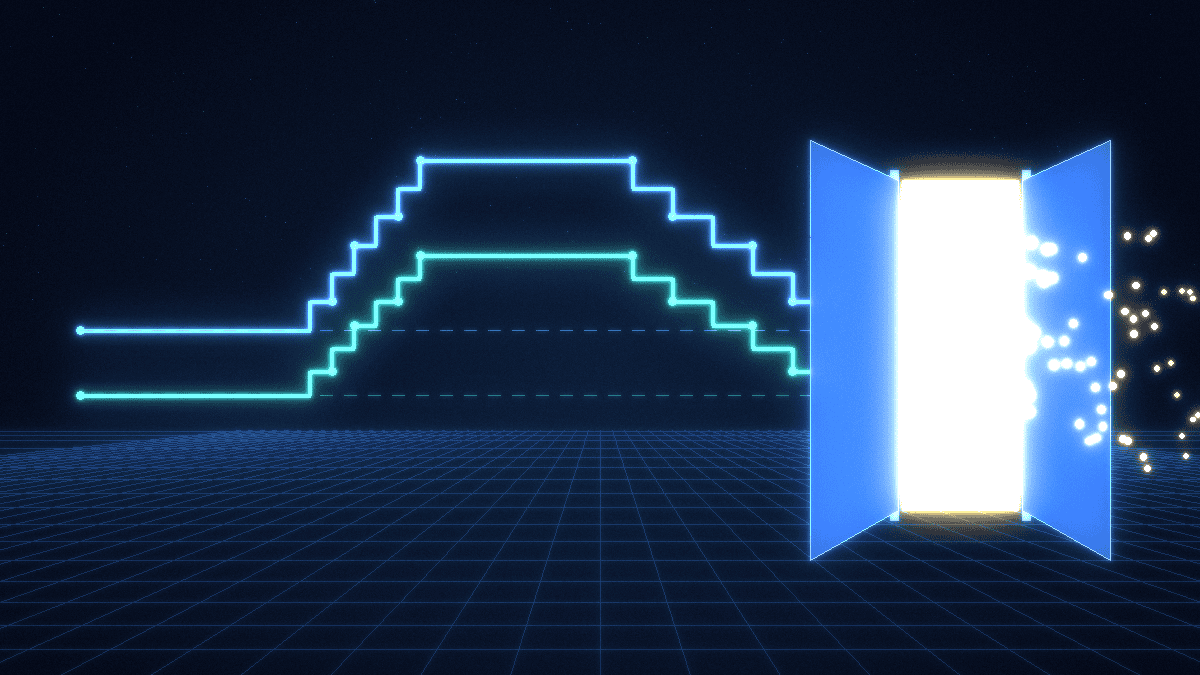
The Timelock cleared on Oct. 31. Contract events show the multisig then cut the rates in hourly steps of just under 1%, which kept it within the same limit the attacker had used. There were six cuts for swETH and five for rswETH, between 07:59 and 14:18 UTC. Both rates ended the day exactly at their pre-attack values.
Sunday’s transaction then nudged both rates slightly higher, to 1.13337 ETH for swETH and 1.08280 ETH for rswETH. That is in line with the incident report’s statement that the corrected rates would include yield earned since the attack. Measured from the inflated peaks, the net reset was about 5.8% for swETH and 4.8% for rswETH, which matches the figures The Defiant reported.
About 10,000 swETH and 10,650 rswETH are in circulation. At the corrected rates that is roughly 22,900 ETH between them, or about $52 million at Sunday’s ether price of about $2,270.
Who lost money
The damage to individual users was small. Swell said 20 addresses deposited while the rates were inflated, so they received fewer tokens than they should have, with a combined shortfall of about 0.25 ETH. Those are the users due compensation this week. Withdrawals requested during the incident will be paid at the correct rate, so anyone who tried to exit at the inflated rate will not be paid at that price.
Holders who borrowed against rswETH faced more risk. On Oct. 30 Swell warned borrowers in the msETH/rswETH market on Morpho, which has a 94.5% liquidation threshold, that the coming rate cut would push their loans closer to liquidation. It told them to swap rswETH for msETH and repay. Morpho’s contract logs show no liquidations in that market from early Oct. 31 to midday Sunday. The market was almost fully borrowed, with about 352.5 msETH lent out of 352.9 supplied, so lenders there have little room to withdraw until borrowers repay.
In dollar terms, Swell’s incident barely registers next to the Binance breach, which made up about 97% of October’s $6.5 billion in crypto hack losses. Like the KelpDAO rsETH exploit in April, though, it is a reminder that liquid restaking tokens carry risks beyond their core staking contracts. In this case the weak point was a server login.
What Swell says it will change
The incident report lists three fixes: an independent proof-of-reserve feed to check bot reports, alerts on abnormal rate moves, and wider pause coverage. Swell said a new bot key will be issued only once those are in place. It also said the SEAL 911 security group had been informed. The report had set a target of Nov. 5 for reopening deposits and withdrawals, so withdrawals came back four days early.
FAQ
Can I withdraw swETH and rswETH now?
Yes. The withdrawal pause on both tokens was lifted on-chain on Sunday, and requests are paid at the corrected exchange rate.
Were Swell’s smart contracts exploited?
Swell says no. According to its report, the attacker got in through its server infrastructure and used a legitimate operations key to post false balance reports.
Who gets compensated?
The 20 addresses that deposited at the inflated rates, which Swell says were short about 0.25 ETH in total. It says payments will go out within a week.
Disclaimer: This article is for informational purposes only and does not constitute financial advice.