
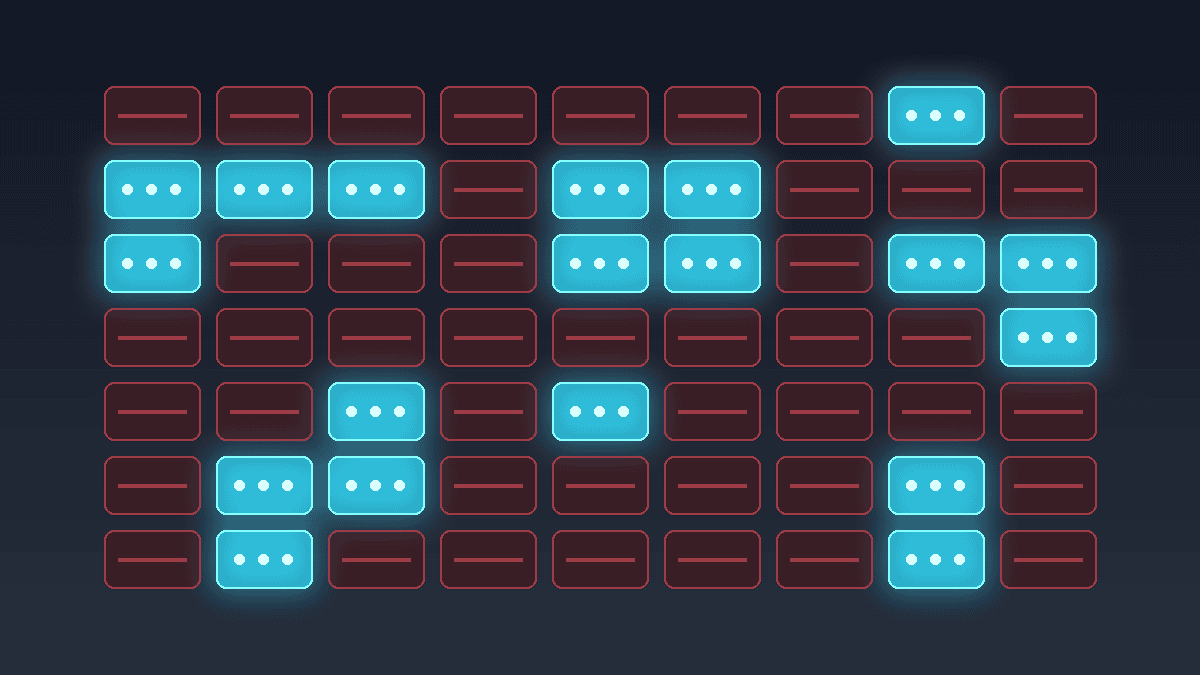
Nvidia, Costco, Micron and Nike are among 12 companies newly listed as objecting to tokenized versions of their shares on OKXICE TSV, the planned onchain stock venue run by a joint venture of OKX and NYSE owner Intercontinental Exchange. The venue’s public notice dated Oct. 30 now names 50 issuers that have filed objections, up from 38 two days earlier.
The names that are still missing stand out just as much. Comparing the latest list against the venue’s original Oct. 4 notice shows that Apple, Tesla, Amazon and Netflix have not objected. Neither have the crypto-linked companies OKXICE planned to list, including Coinbase, Circle, Robinhood and Strategy.


A list that grew every few days
OKXICE has to republish its notice whenever something material changes, so the objection count can be followed version by version. The Oct. 4 notice named a single objector, Cerebras Systems, which was not even on the venue’s list of planned stocks. That count rose to 16 by Oct. 19, then 22 on Oct. 23, 26 on Oct. 26, 33 on Oct. 27, 38 on Oct. 28 and 50 on Oct. 30.
The 12 additions in the latest version are CrowdStrike, Corning, Micron, IREN, USA Rare Earth, Bloom Energy, Nike, Nvidia, Palo Alto Networks, Costco, Reddit and Hewlett Packard Enterprise. Earlier versions already included Microsoft, Alphabet, Broadcom, JPMorgan, Goldman Sachs, Walmart, Eli Lilly, Oracle, Intel and Coca-Cola.
The original notice set out 63 ticker symbols covering 62 companies, because Alphabet appeared under both GOOG and GOOGL. Our count shows 43 of those 62 companies, or 44 of the 63 symbols, are now on the objection list. The other seven objectors were never on the roster: Cerebras, Arm, Wells Fargo, Arcos Dorados, Cigna, IREN and Palo Alto Networks.
The 19 names not on the list
The planned stocks with no objection on file as of the Oct. 30 notice are:
- Big tech and consumer: Apple, Amazon, Tesla, Netflix and Home Depot
- Crypto-linked: Coinbase, Circle, Robinhood, Strategy, Securitize and BitGo
- Others: SpaceX, Palantir, ServiceNow, Lam Research, Super Micro Computer, SoFi, GE Vernova and Boeing
Not being on the list does not mean a company has agreed to anything. Under the SEC order, an issuer has 30 calendar days from the date it receives the venue’s notice to object, and the venue then has five business days to update its public notice. An objection could therefore show up in a later version of the notice.
How the opt-out works
The rules come from the SEC’s Sept. 17 order, known as the innovation exemption. It lets “Tokenized Securities Venues” trade tokenized U.S. stocks through permissioned automated market makers without registering as exchanges. If a token is created by a party unaffiliated with the company, the venue must send the company written notice. Trading cannot start until at least 30 calendar days after the company receives that notice. A written objection inside that window bars the venue from offering that stock. The exemption runs until Sept. 17, 2031.
OKXICE’s design follows that model. According to its notice, the venue will run permissioned Uniswap v4 pools on X Layer. Only wallets holding a non-transferable access token can use them, and that token is issued after OKX’s U.S. entity completes identity checks. Each stock token is paired with a payment stablecoin, trades settle in a single transaction, and the venue does not hold customer assets. The tokens come from a separate “Tokenizer” that holds the underlying shares one-for-one through a broker-dealer. The notice does not name that firm.
The notice has changed in other ways too. The Oct. 4 and Oct. 19 versions said each token would trade against “USDC, USDG, or USDT”. From the Oct. 23 version onward, Tether’s USDT is no longer named, and the text gives USDC and USDG as examples. The named list of 63 planned stocks also does not appear in the versions from Oct. 19 onward, which instead say the venue will offer stocks tokenized either by their issuers or by unaffiliated third parties.
What comes next
The SEC requires a venue to publish its notice at least 30 calendar days before it begins operating. With OKXICE’s first notice dated Oct. 4, it can start no earlier than the first days of November. The project’s website still describes the venue as “coming” and gives no launch date.
A rival is moving first. Canton Strategic Holdings said in an exhibit filed with the SEC on Oct. 29 that it had agreed with TSV LLC, a venue on the Canton Network, to list its own shares. Trading is “expected to begin as early as Monday, November 2.” Because Canton’s shares are issuer-sponsored, with the company itself arranging the tokenization through transfer agent Fairmint, the objection process does not apply to them.
That difference is the main thing the OKXICE count shows. The exemption gives issuers a veto over third-party tokens, and most of the large companies OKXICE picked have used it within a month. For readers comparing how other platforms handle the same question, our guide to tokenized stock models at Coinbase, Robinhood and in Korea sets out the main differences.
FAQ
What is OKXICE TSV?
It is a planned venue for trading tokenized U.S. stocks onchain. It is operated by OKXICE LLC, which is owned 50/50 by Intercontinental Exchange and OKX’s U.S. holding company, under the SEC’s September 2026 innovation exemption.
Can a company stop its shares being tokenized on the venue?
Yes, where the token is made by an unaffiliated third party. The company has 30 calendar days from receiving the venue’s notice to object in writing, and a timely objection bars that venue from offering the stock.
Which large companies have not objected?
As of the Oct. 30 notice, Apple, Amazon, Tesla, Netflix, Coinbase, Circle, Robinhood, Strategy and Palantir were among 19 planned names not on the objection list.
Disclaimer: This article is for informational purposes only and does not constitute financial advice.