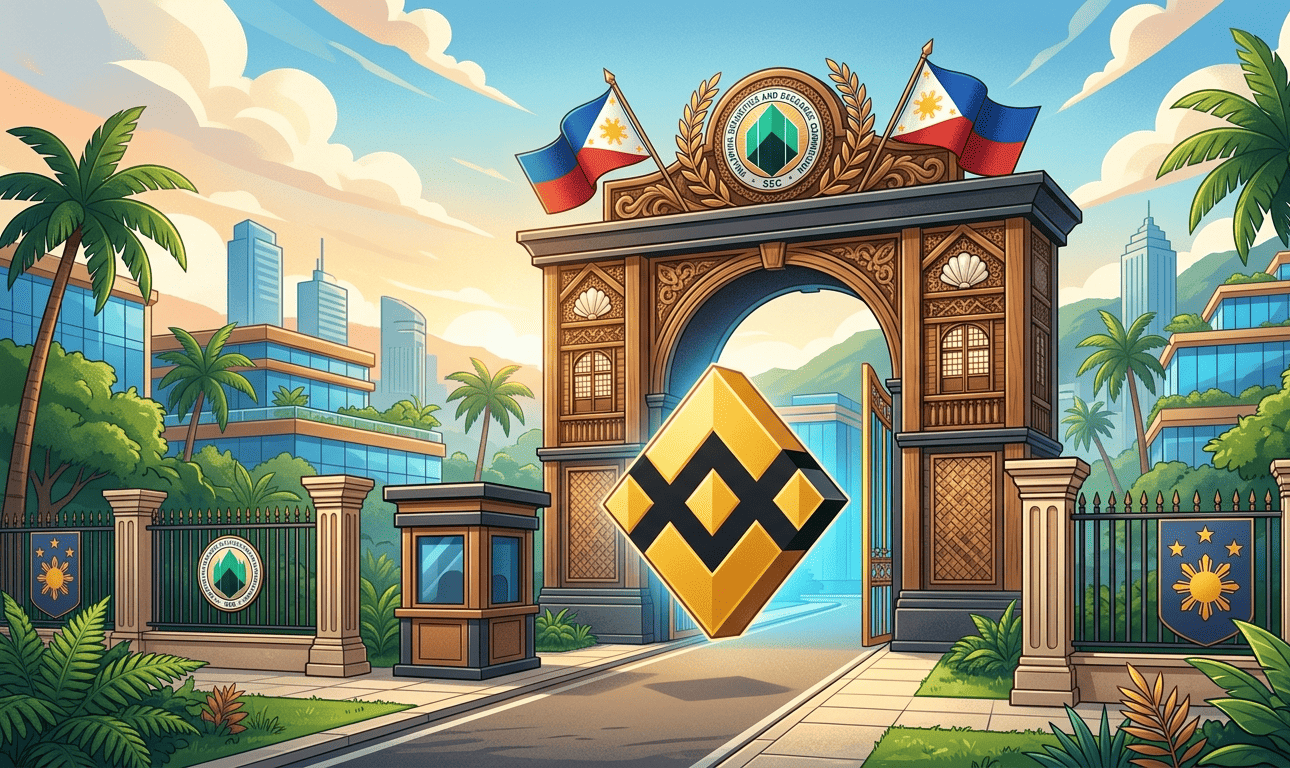
Binance has been locked out of the Philippines since late 2023. On Monday, it found the key.
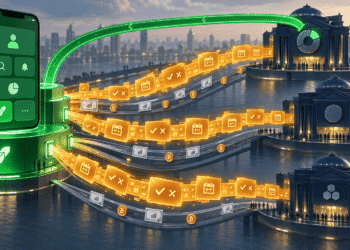
The exchange announced a partnership with BlockShoals Technologies, a Philippine-registered fintech company, to operate within the Securities and Exchange Commission’s Strategic Sandbox framework, known as StratBox. Under the deal, BlockShoals serves as the approved local intermediary while Binance provides the technology, security, operations, and compliance infrastructure behind the scenes.

The sandbox testing phase is expected to begin in the second half of 2026 and run for at least two years. During that period, regulators will monitor operations, test compliance systems, and study the risks associated with offering Binance-powered digital asset services to Philippine users.
It’s a cautious, structured approach that looks nothing like Binance’s old playbook of launching fast in new markets and worrying about regulators later. And that shift in strategy might be the most significant part of the story.
How Binance Got Banned in the First Place
The Philippines was once one of Binance’s strongest markets in Southeast Asia. Retail crypto adoption in the country is among the highest in the region, driven by strong mobile financial services penetration, a massive overseas worker remittance corridor, and a young, tech-forward population.
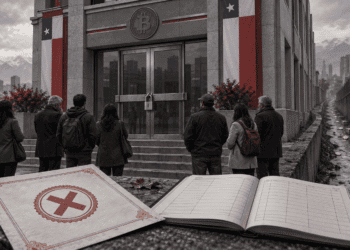
But in November 2023, the Philippine SEC issued a formal warning that Binance was not authorised to sell or offer securities in the country. The exchange had been operating without the registrations and licenses required under Philippine law.
Regulators didn’t stop at warnings. They pushed for Binance’s removal from Apple and Google app stores and advised Filipino users to withdraw their funds. The message was clear: Binance was not welcome until it played by the rules.
Since then, the Philippines has been actively tightening its crypto regulatory framework. Crypto Asset Service Provider rules took effect in July 2025. The SEC expanded its investor warning lists in April 2026, adding dYdX, Aevo, gTrade, Pacifica, Orderly, Deriv, and Ostium as unregistered operators. The country has been building exactly the kind of regulatory infrastructure that gives exchanges a clear path to compliance, while blocking those that try to operate outside it.
Binance spent the ban period quietly engaging with Philippine regulators. The partnership with BlockShoals represents more than two years of regulatory discussions, finally producing a concrete outcome.
How the BlockShoals Partnership Works
The structure of the deal is designed to satisfy Philippine regulators while giving Binance a foothold in the market.
BlockShoals received in-principle approval from the Philippine SEC in November 2025 and a Notice to Proceed dated April 14, 2026. The company was cleared to operate as a Crypto Asset Intermediary under SEC Memorandum Circular No. 9, Series of 2024. That puts BlockShoals in the regulatory driver’s seat.
Binance’s role is entirely behind the scenes. The exchange provides its global technology stack, including trading infrastructure, security systems, product capabilities, and compliance tools developed across regulated markets worldwide. BlockShoals handles the local regulatory relationship, user-facing operations, and ongoing SEC reporting.
Because BlockShoals already reports directly to the SEC on its sandbox tests, regulators have clear visibility into how Binance’s systems interact with local users and market conditions. That transparency is the foundation that makes the arrangement work. The SEC can monitor everything in real time without relying on Binance’s self-reporting.
Seker, Binance’s Head of Asia-Pacific, framed the sandbox as a space where industry participants and regulators can collaborate within a controlled environment. The emphasis on collaboration rather than confrontation marks a notable departure from the combative stance Binance took with regulators in multiple markets during its earlier years.
Why the Philippines Matters So Much
The Philippines isn’t just another market for crypto exchanges. It’s one of the most important digital asset economies in the world.
The country has over 110 million people, a median age of just 25, and smartphone penetration exceeding 70%. Mobile-based financial services are mainstream. GCash and Maya (formerly PayMaya) process billions in transactions annually. The infrastructure for digital financial services already exists at scale.
Remittances are a massive part of the economy. Overseas Filipino Workers send home approximately $36 billion annually, mostly through costly traditional channels that charge 5% to 10% in fees. Crypto-based remittance services have the potential to undercut those fees dramatically, which is why platforms like Coins.ph (now backed by a major regional bank) have found strong product-market fit.
Retail crypto participation is robust. The Philippines consistently ranks among the top 10 countries globally for crypto adoption in surveys by Chainalysis and other research firms. The combination of a young population, high mobile penetration, large remittance flows, and growing regulatory clarity makes it one of the most attractive markets for any exchange.
For Binance, regaining access to this market is a strategic priority. Being locked out while competitors like Coins.ph and local exchanges served Filipino users meant losing ground in a market that aligns perfectly with crypto’s value proposition.
The Bigger Pattern: Exchanges Are Choosing Compliance Over Speed
Binance’s Philippines strategy reflects a broader industry shift that’s been accelerating throughout 2026.
In its earlier years, Binance’s growth strategy was simple: launch everywhere, grow fast, and deal with regulators later. That approach built the world’s largest exchange by volume but also generated an enormous amount of legal and regulatory liability. The $4.3 billion DOJ settlement in 2023, the imprisonment of former CEO Changpeng Zhao, and ongoing investigations across multiple jurisdictions were the price of that strategy.
The BlockShoals partnership represents the opposite approach. Instead of launching first and seeking forgiveness later, Binance is entering through a supervised regulatory framework, working through a local partner, and submitting to a two-year testing period before gaining full market access.
Kraken is following a similar path. The exchange applied for a federal bank charter through the OCC, acquired Bitnomial for its CFTC derivatives licenses, and is building a compliance infrastructure that most crypto companies can’t match. E*Trade launched crypto trading under Morgan Stanley’s regulatory umbrella. UBS is rolling out crypto services through its existing wealth management framework.
The era of rogue exchanges operating in regulatory grey zones is ending. The companies that will dominate the next decade are the ones willing to invest years and hundreds of millions of dollars in building compliant infrastructure before flipping the switch.
Binance’s two-year sandbox commitment in the Philippines is a bet that patience and compliance will ultimately generate more value than speed and disruption. For the exchange that built its empire on the opposite philosophy, that’s a remarkable transformation.
What Filipino Users Should Expect
For the roughly 16 million Filipino crypto users, the Binance-BlockShoals partnership won’t change anything immediately. Access to Binance remains blocked in the Philippines. The sandbox testing phase hasn’t started yet and won’t begin until the second half of 2026.
When testing does begin, it will likely start with a limited set of services available to a controlled group of users. The SEC will monitor everything, identify risks, and require adjustments before any broader rollout. The two-year minimum testing period means full market access, if it comes at all, is unlikely before 2028.
In the meantime, Filipino users continue to have access to locally regulated platforms and exchanges that have already completed the SEC’s licensing process. The sandbox framework exists specifically to test whether Binance can meet Philippine regulatory standards. Passing that test is not guaranteed.
For the broader Southeast Asian crypto market, the Philippines sandbox deal sets a template that other countries in the region may follow. If regulators in Indonesia, Thailand, and Vietnam see the Philippine model working, similar supervised re-entry frameworks could emerge across the region. That would give Binance a pathway back into multiple markets it lost access to during its regulatory troubles.
FAQ
How is Binance returning to the Philippines?
Binance partnered with BlockShoals Technologies to operate within the Philippine SEC’s Strategic Sandbox framework. BlockShoals serves as the approved local intermediary and handles the regulatory relationship, while Binance provides technology, security, and compliance infrastructure behind the scenes. The sandbox testing phase begins in the second half of 2026 and runs for at least two years.
Why was Binance banned in the Philippines?
The Philippine SEC warned in November 2023 that Binance was operating without the required licenses to sell or offer securities in the country. Regulators pushed for the exchange’s removal from app stores and advised users to withdraw funds. Since then, Binance has spent over two years engaging with Philippine regulators to find a compliant path back into the market.
When will Filipino users be able to use Binance again?
Not immediately. The sandbox testing phase hasn’t started and won’t begin until the second half of 2026. The minimum testing period is two years, during which regulators will monitor operations and require compliance milestones before any broader rollout. Full market access, if approved, is unlikely before 2028.
Disclaimer: This article is for informational purposes only and does not constitute financial advice. Cryptocurrency investments carry significant risk. Always conduct your own research before making any investment decisions.