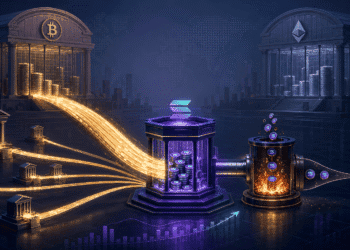
Solana Alpenglow has moved into community validator testing, giving one of crypto’s fastest networks a real-world trial run for its biggest consensus change yet.
The test cluster opened on May 11, allowing outside validators to try the new design before any mainnet rollout. For regular users, nothing changes today. Wallets still work. Apps still run. SOL is not moving to a new chain.


But under the hood, this is a big deal. Solana Alpenglow is designed to cut confirmation times to around 150 milliseconds and simplify how the network reaches agreement. In plain English, Solana wants transactions to feel almost instant without adding more clutter behind the scenes.
Why Does Solana Alpenglow Matter?
Solana already has the speed story. That is part of why traders, meme coin users, NFT projects, and DeFi apps keep showing up there.
The harder question is finality.
Finality means a transaction is not just seen by the network, but actually locked in. Think of it like paying with a card at a shop. The screen may say approved in a second, but the payment still needs to settle in the background. In crypto, faster finality means apps can trust transactions sooner.
That matters for more than bragging rights. A decentralized exchange wants to know when a swap is truly done. A game wants to know when an item transfer is final. A payments app wants to know when a merchant can safely hand over the goods.
Alpenglow is Solana’s attempt to make that process faster and cleaner. The Solana Foundation says the upgrade targets 150ms confirmation times and removes Proof of History and on-chain vote transactions from the protocol.
That last part sounds technical, but the effect is easy to understand. Solana wants less internal traffic and more room for actual user activity.
What Changed With Validator Testing?
The latest move is not a mainnet launch. It is a public test for the people who help run the chain.
Before this phase, Alpenglow had mostly been tested in smaller internal environments. Now, community validators can run the new setup and see how it behaves outside the lab.
That matters because validators are the backbone of Solana. They process transactions, help secure the network, and keep the chain honest. If a consensus upgrade works beautifully in theory but creates problems for validators in practice, it is not ready.
This stage gives the network a chance to find rough edges early. Bugs, timing problems, hardware pressure, cost changes, and coordination issues are all easier to fix before mainnet users are involved.
For SOL holders, the takeaway is simple. This is progress, not completion. Alpenglow is getting closer, but the market should not treat it as finished software yet.
LATEST: ⚡ Solana’s Alpenglow consensus upgrade has gone live on a community test cluster, marking a key step toward a mainnet rollout targeted for later this year. pic.twitter.com/jqjHbe74ih
— CoinMarketCap (@CoinMarketCap) May 11, 2026
How Could Alpenglow Make Solana Faster?
Alpenglow aims to shorten the gap between sending a transaction and knowing it has settled.
Today, Solana uses Proof of History and TowerBFT as part of its consensus system. Those tools helped Solana become fast, but they also add moving parts. Alpenglow is designed to replace that structure with a new system built around components called Votor and Rotor.
The names are less important than the goal. Solana wants validators to reach agreement more quickly, with less on-chain noise.
One major change is the removal of on-chain vote transactions. These votes help validators coordinate, but they also take up space. By moving that process out of the normal transaction flow, Solana could free more blockspace for users.
A simple way to picture it: imagine a busy highway where maintenance vehicles are taking up several lanes every day. If you move those vehicles off the main road, normal traffic has more space to move. That is the idea behind reducing internal network clutter.
If it works, Alpenglow could make Solana feel faster in the places users actually notice. Swaps could confirm sooner. Games could feel smoother. Payment apps could build with more confidence.
What Does This Mean for Solana Validators?
Alpenglow is also a validator story, not just a user story.
Running a validator is not free. Operators deal with hardware, uptime, bandwidth, software updates, and economic incentives. A major consensus redesign can change that balance.
The Solana Foundation says Alpenglow introduces a Validator Admission Ticket, or VAT, listed as a 1.6 SOL fee validators pay to be included in the consensus set each epoch.
That fee will likely get attention. If validator costs rise too much, smaller operators may feel pressure. If the new model improves performance and reduces waste, operators may see the trade-off as worthwhile.
The best outcome is clear. Solana gets faster finality without making the validator set weaker or more centralized.
That is why this testing phase matters so much. It gives validators time to test real infrastructure, not just read a spec and hope it works.
Why Developers Are Watching Solana Finality
Developers care about finality because bad timing creates bad apps.
Nobody wants to build a trading app where users wonder whether a swap has really gone through. Nobody wants to build a game where an item transfer gets stuck in a confusing state. Nobody wants a payment app that leaves merchants guessing.
That is where Alpenglow could help.
If Solana can offer near-instant confirmation with strong reliability, developers can build products that feel more like normal internet apps. Less waiting. Fewer spinning loaders. Fewer moments where users are forced to understand blockchain mechanics just to complete a simple action.
That would be especially useful during high-traffic events. Meme coin launches, NFT mints, airdrops, and sudden market swings all test Solana’s limits.
The upgrade does not guarantee smooth performance under every condition. No serious network upgrade can promise that. But it shows where Solana’s roadmap is heading: faster settlement, less protocol clutter, and a better experience for apps that need speed.
When Could Solana Alpenglow Reach Mainnet?
There is no final mainnet date yet.
CoinMarketCap’s update pointed to a possible late Q3 or early Q4 2026 rollout window, depending on testing and release progress. Solana’s own network upgrade page lists Alpenglow as under development and tied to the Agave 4.1 release path.
That timing could change. Consensus upgrades are delicate, and delays are better than rushing broken code onto a live network.
For now, the important news is that Alpenglow has moved beyond internal testing. Community validators are now involved. That brings Solana one step closer to proving whether the upgrade can work in the wild.
For SOL investors, this should not be treated as a guaranteed price catalyst. Market conditions, liquidity, risk appetite, and broader crypto momentum still matter. But from a technology angle, Alpenglow is one of the most important Solana developments to watch in 2026.
FAQ
What is Solana Alpenglow?
Solana Alpenglow is a proposed consensus upgrade designed to make Solana confirmations faster and simplify how the network reaches agreement.
Is Solana Alpenglow live on mainnet?
No. Solana Alpenglow is currently in community validator testing. It is not live on Solana mainnet yet.
How fast could Solana become after Alpenglow?
Solana says Alpenglow targets confirmation times of around 150 milliseconds, which could make transactions feel much closer to instant for apps and users.
Key Takeaway
Solana Alpenglow is not just another network update. It is a serious attempt to change how Solana reaches agreement at the deepest level.
The upgrade is still being tested, so users do not need to take action today. But if validator testing goes well, Alpenglow could give Solana faster finality, cleaner consensus, and a better foundation for high-speed apps.
Disclaimer: This article is for informational purposes only and does not constitute financial, investment, or legal advice. Always conduct your own research before making any investment decisions.