Every two and a half days, someone in France is kidnapped because they own crypto. Not hacked. Not scammed. Physically grabbed, tied up, and forced to hand over their digital assets at knifepoint. Sometimes worse.
French prosecutors have now charged 88 people across 12 crypto-related kidnapping cases. More than 10 of the suspects are minors. Seventy-five are being held in pretrial detention. And the numbers keep getting worse. France has recorded 47 crypto kidnappings in 2026 alone, up from 67 in all of 2025 and 18 in 2024. Since 2023, there have been 135 incidents total.


France now accounts for roughly 40% of all crypto ransom attacks in Europe. The country that wanted to be the continent’s crypto capital has become its most dangerous place to hold digital assets.
What Are Crypto Wrench Attacks?
The name comes from a simple idea. You do not need to hack someone’s wallet if you can threaten them with a wrench until they unlock it themselves.
A wrench attack skips every layer of digital security. Multi-factor authentication, hardware wallets, cold storage, encrypted seed phrases. None of it matters when someone is holding a knife to your child. The attacker targets the person, not the technology. Once the victim transfers the crypto under duress, the transaction is irreversible. There is no bank to call. No chargeback to file. The money is gone in seconds.
CertiK reported that wrench attacks increased 75% globally in 2025, with France leading all countries at 19 confirmed incidents out of 72 worldwide. That is more than twice the number recorded in the United States. The total confirmed losses reached $40.9 million, though the real number is likely much higher because many attacks are reported as standard robberies with no mention of crypto.
How Bad Has It Gotten in France?
The cases read like crime thriller plots, except they are real.
On April 13, four attackers stormed a family home in Burgundy. They tied up the father, a crypto entrepreneur, and demanded $400,000. When they discovered his holdings were locked in a time-delayed wallet that would not release funds for hours, they took his wife and 11-year-old son instead. France’s elite GIGN tactical unit deployed 100 officers and rescued both hostages from a hotel room the following day. No ransom was paid.
In January 2025, Ledger co-founder David Balland was kidnapped along with his partner. During the attack, one of his fingers was severed and sent to associates as part of the ransom demand. He was rescued after a police operation.
In March 2026, criminals impersonating police officers broke into a home in Versailles and forced a couple in their late 50s to transfer roughly $1 million in Bitcoin at knifepoint.
In February 2026, a magistrate and her mother were abducted in a plot targeting her partner, a crypto executive in Lyon. Six suspects were arrested, including a minor recruited through Telegram.
These are not random street crimes. Prosecutors found repeat suspects appearing across multiple cases, confirming that structured criminal networks are running these operations. Some are organised from outside France, with local participants recruited through messaging apps.
How Are Criminals Finding Their Targets?
This is the part that should make every crypto holder uncomfortable. Attackers are using a combination of public blockchain data, social media posts, leaked personal information, and in at least one case, a French tax official who sold sensitive data directly to criminal groups.
The pool of targets has widened. Early wrench attacks focused on high-profile executives and founders. Now mid-level holders are getting hit too, sometimes based on nothing more than an Instagram post showing a luxury purchase or a conference badge photo that reveals their name and company.
Jameson Lopp, a prominent Bitcoin security researcher, put it simply: “It’s far easier than trying to rob a bank.” Rising asset prices have increased the payoff from a single attack. Improvements in digital security have made hacking harder. Physical violence has become the path of least resistance.
What Is France Doing About It?
The government is finally treating this as a crisis. At Paris Blockchain Week, Interior Ministry delegate Jean-Didier Berger announced that new protection measures are being prepared with Interior Minister Laurent Nuñez. A police motorcade escorted VIP guests to the conference dinner at the Palace of Versailles. Security was visibly reinforced at every venue.
A new prevention platform has been launched and attracted thousands of sign-ups from concerned crypto holders. The next phase will include expanded use of blockchain analytics to trace ransom payments, public awareness campaigns focused on privacy, and direct personal security measures.
On the enforcement side, ZachXBT helped freeze $800,000 in ransom funds following the kidnapping of a French content creator’s father, with Binance’s security team tracing payments across the blockchain. That kind of collaboration between on-chain investigators and exchanges is becoming more common but remains reactive rather than preventive.
How Can Crypto Holders Protect Themselves?
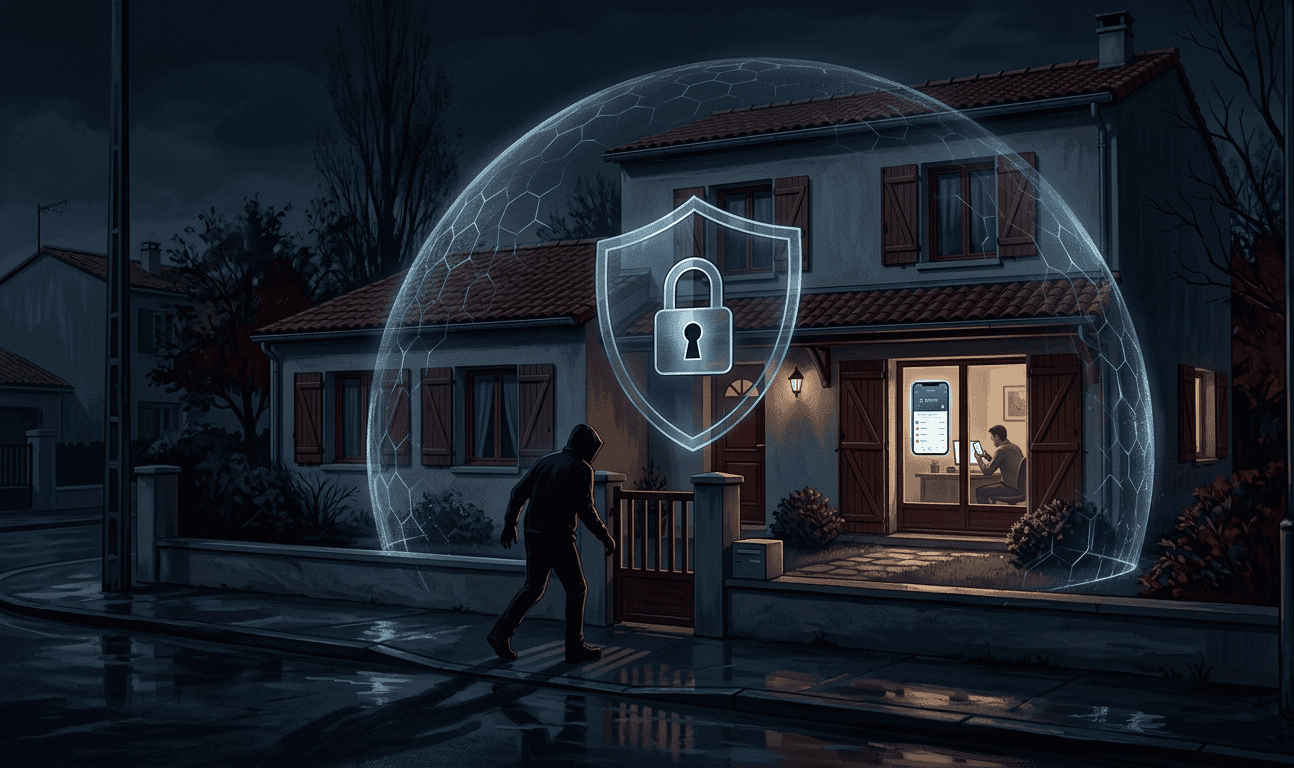
Security researchers recommend several practical steps. Use multi-signature wallets that require multiple approvals to move funds, so no single person being coerced can complete a transfer. Set withdrawal limits and time locks on large holdings, which is exactly what saved the Burgundy family. Keep your crypto holdings private. Do not post about gains, portfolio size, or hardware wallets on social media. Use a separate phone and email for crypto activity. Vary your daily routines. Do not wear branded crypto merchandise in public.
For anyone holding significant amounts, consider a decoy wallet with a small balance that you can hand over under duress while your main holdings remain in a separate, hidden, time-locked setup. Some security firms now offer physical security assessments specifically for crypto holders.
The uncomfortable truth is that crypto’s greatest feature, self-custody, is also its greatest vulnerability in the physical world. When you are your own bank, you are also your own security guard. And in France in 2026, that job has never been more dangerous.